
Storm Damage Roof Repair in South Carolina & Georgia
Why Storm Damage Needs Fast Response
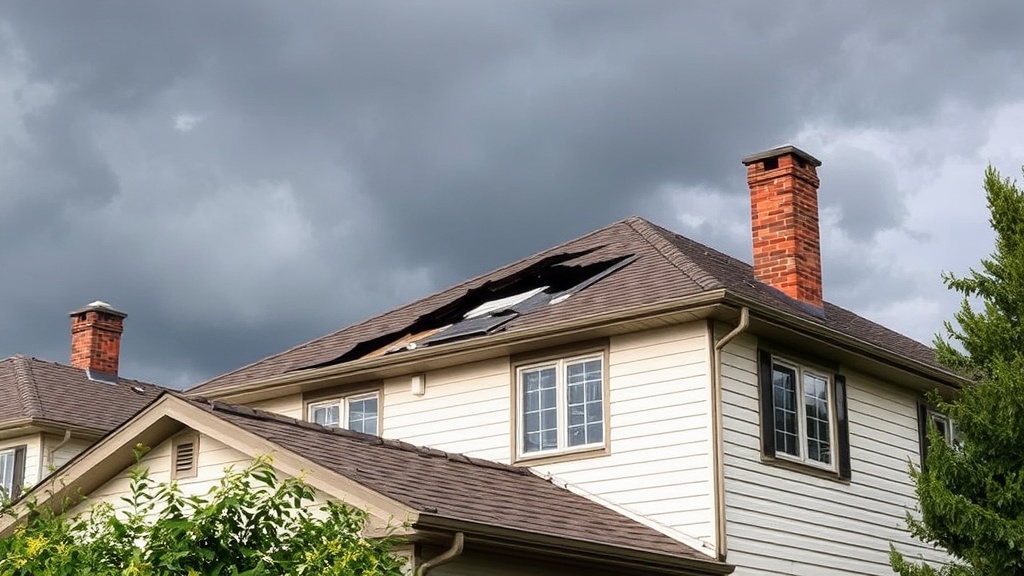
After a storm passes, the clock starts. Water doesn’t wait for a convenient repair window — once a shingle is torn loose, a ridge cap is cracked, or a tree limb punches through decking, rain can reach the sheathing, insulation, and interior ceilings within 24 to 48 hours. That window matters because secondary water damage — soaked insulation, mold growth, rotted decking — is often more expensive to remediate than the original roof damage. Acting quickly limits the scope of the repair and gives you cleaner documentation for your insurance claim.
South Carolina and Georgia storm seasons are long. Hail cores track through the CSRA from spring into summer. Hurricane remnants push inland from the Lowcountry. Afternoon thunderstorms capable of 60+ mph straight-line winds roll through Aiken and Columbia with little warning. A roofing contractor who knows these weather patterns can identify what the storm actually did — and what it didn’t do — so your repair scope is accurate from the start.
Common Storm Damage We Repair
Not all storm damage looks the same, and the repair approach depends on what hit your roof and how hard.
– Hail damage — Hail impacts bruise asphalt shingle granules and fracture the mat beneath, accelerating moisture infiltration. Small hail can cause damage that isn’t visible from the ground but shows clearly on a close inspection of the tab surface and ridge cap.
– Wind damage — High winds lift shingle tabs, break the factory seal strips, and tear sections from ridges and rakes first. Partial blow-offs are common; so are hidden nail pops that won’t fail until the next heavy rain.
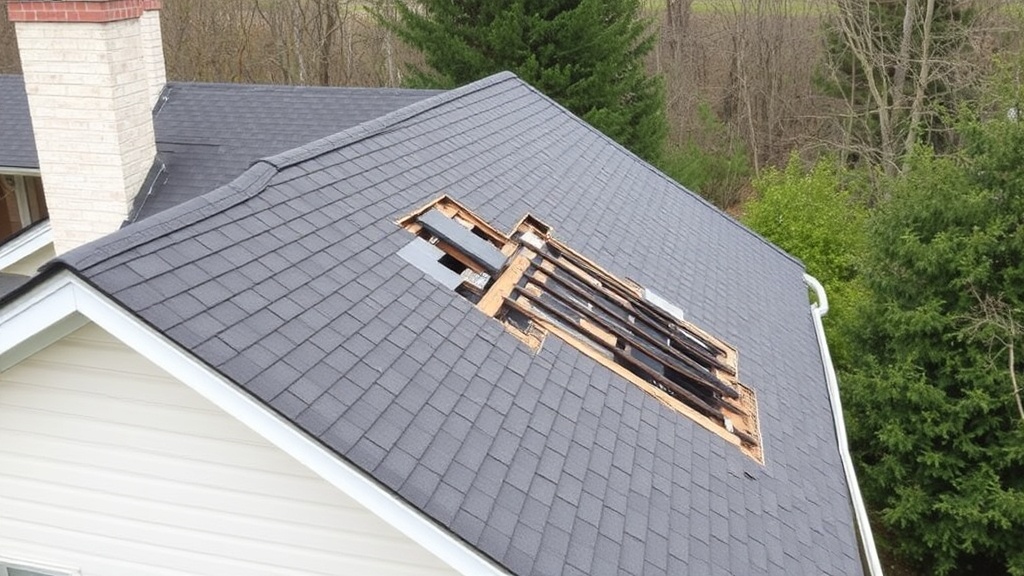
– Fallen trees and limbs — Impact damage can range from a few cracked shingles to a full deck penetration requiring structural repair before any roofing work begins.
– Hurricane and tropical storm damage — Sustained winds combined with wind-driven rain create a different failure pattern than a fast-moving thunderstorm. Metal roofing typically holds better in high-wind events, but any roofing system can sustain damage when debris is airborne.
– Lightning strikes — A direct strike can char decking, crack ridge tiles, and create entry points that aren’t obvious until water shows up inside.

Working With Your Insurance Company
Filing a roof insurance claim after storm damage is straightforward when you have clear documentation and a realistic repair scope. A few things matter early:
Document before anything is disturbed. Photograph every area of visible damage — from the ground and, if it’s safe, from the roof surface. Date-stamped photos taken close to the storm event are the most useful evidence when an adjuster reviews the claim.
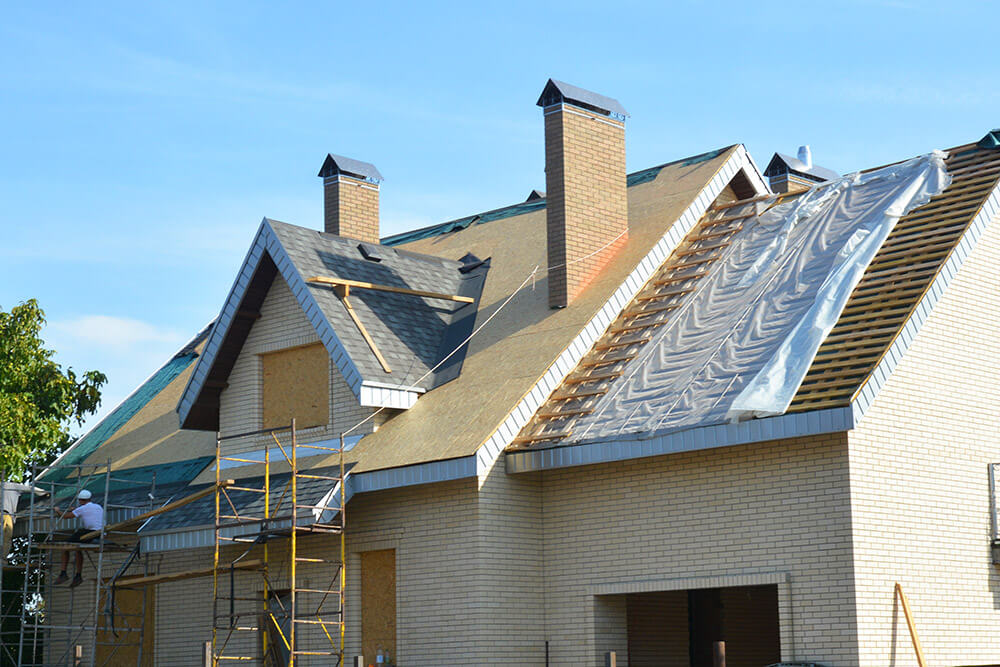
Don’t make permanent repairs before the adjuster visits. Temporary tarping to stop active water intrusion is appropriate and expected. Replacing shingles or resealing areas before the adjuster has seen the damage can complicate the claim and reduce your recovery.
Get a written scope before you agree to anything. A contractor’s assessment and the insurer’s estimate should be compared line by line. If items are missing from the adjuster’s estimate — like a full ridge cap replacement or starter strip — those need to be addressed before work begins, not after.
The earlier you act, the more options you have. Claims filed promptly are easier to tie to a specific storm event. Waiting weeks can invite questions about whether damage is storm-related or wear-related.
How Hixon’s Handles Storm Damage
Hixon’s Roofing is a GAF Master Elite contractor — a certification that fewer than 2% of roofing contractors in the country hold. That standing matters here because GAF Master Elite contractors can offer GAF’s strongest workmanship warranties, which are relevant when you’re repairing or replacing a storm-damaged roof and want the installation to hold.
Our process for storm damage work:
– Free assessment — We put eyes on the roof and identify what the storm actually caused. Get started with a free estimate.
– Photo documentation — We photograph all damage areas in detail before any work begins. You get those photos.
– Direct insurer communication — We work directly with your insurance company and adjuster to make sure the scope of work is complete and accurate. You don’t have to translate between the contractor and the claims office.
– Repair or replacement using GAF materials — Whether the job calls for spot repairs on asphalt shingles or a full reroof in metal roofing, the work is backed by GAF Master Elite installation standards.
Storm Damage Roof Repair Service Areas
Hixon’s Roofing handles storm damage repair across South Carolina and Georgia, including: Aiken SC & County, Augusta GA & CSRA, CSRA Rural Communities, Columbia SC Metro, and the Lowcountry—including Charleston & Mount Pleasant, Summerville & North Charleston, and Charleston County Rural.
Storm damage moves fast. So should your response. Contact Hixon’s Roofing to schedule your free storm damage assessment and get accurate documentation in hand before you call your insurer.