Tuff Rib

Practical Strength Meets Lasting Value
Cost-effective, tough, and versatile. Tuff Rib metal roofing is the go-to solution for homeowners who want durable performance without compromising on style. Known for its signature ribbed pattern and available in a wide variety of colors, Tuff Rib delivers a clean, classic look backed by strong structural support.
Perfect for residential, agricultural, or light commercial applications, Tuff Rib is engineered to stand up to harsh weather while offering excellent value. Hixon’s is proud to offer expert Tuff Rib installation tailored to your home’s specific needs.
Durable. Affordable. Built to Last
Tuff Rib panels feature an advanced protective coating to prevent fading, rust, and corrosion, making them a low-maintenance roofing choice with a lifespan of 30 to 50 years. Its lightweight profile simplifies installation while offering high wind and impact resistance.
For those seeking an affordable metal roof that performs in every season and protects year after year, Tuff Rib is the smart, long-term investment.
What Is Tuff Rib Metal Roofing?
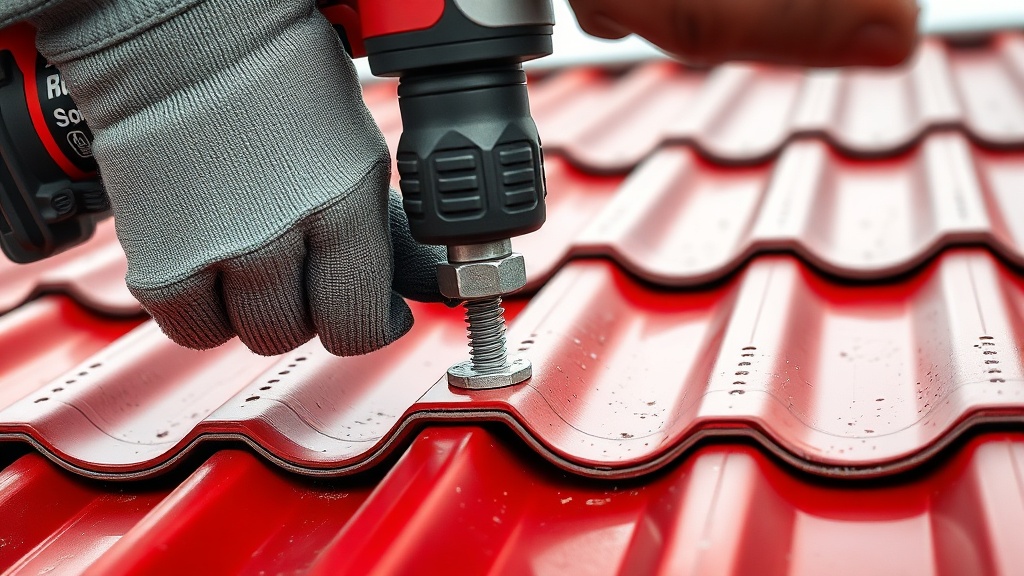
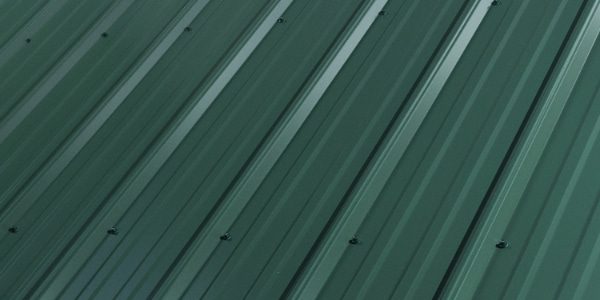
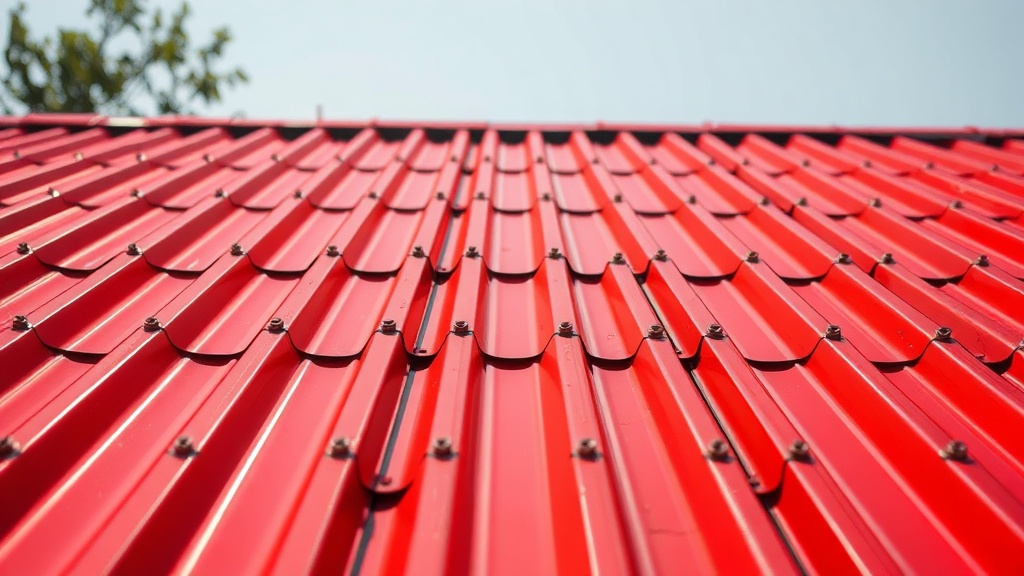
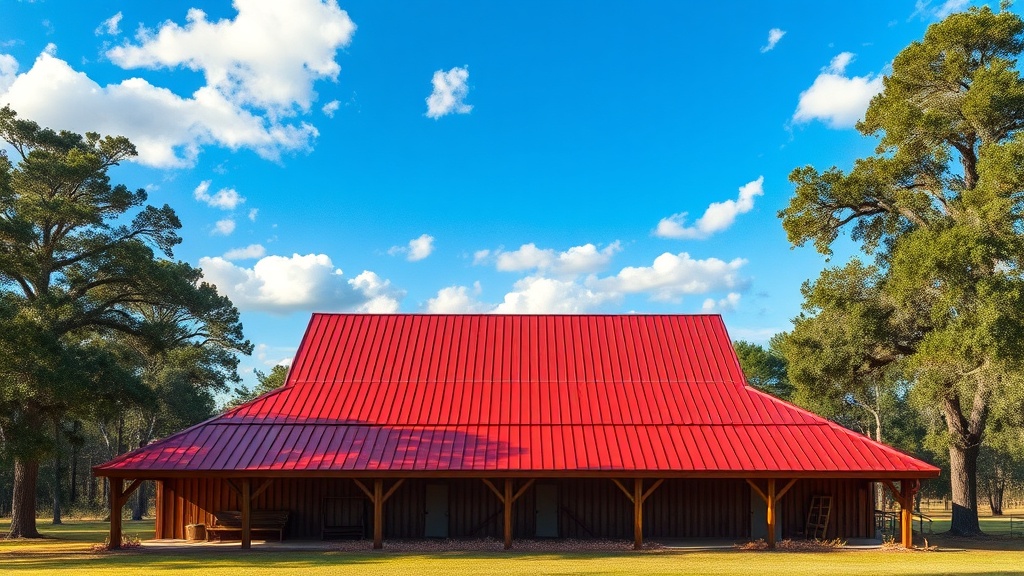
Tuff Rib is an exposed-fastener metal panel system. That means the screws that hold the panels to the roof deck are visible from the outside — driven through the face of the panel at each rib. It’s one of the most widely used metal panel profiles in the Southeast, found on everything from barns and pole buildings to budget-conscious residential reroof projects.
Panels run vertically from ridge to eave. The ribs give the roof its characteristic corrugated look and add structural rigidity to each panel. Common gauge options are 26-gauge and 29-gauge steel — 26-gauge is thicker and more durable, while 29-gauge keeps material costs lower on applications where longevity is less critical. Panels are available with Galvalume (bare metallic) coating for pure corrosion resistance, or with a painted Kynar/SMP finish in a range of colors for residential applications.
Because fasteners are exposed, installation is straightforward and labor costs stay lower than concealed-fastener systems. That makes Tuff Rib a practical choice for large roof areas where budget is a controlling factor.
Tuff Rib vs. Standing Seam: Which Is Right for You?
The main trade-off between these two panel types is cost versus long-term performance on the fastener system.
Tuff Rib runs approximately $4–$7 per square foot installed. Fasteners are exposed, which speeds up installation. The trade-off is that each screw penetrates the panel face. A neoprene washer under each screw head seals the penetration, but those washers degrade over time — typically 20–30 years — and will eventually need attention.
Standing seam uses a concealed-fastener system. The panels interlock and fasten at the seam, keeping the roof surface free of penetrations. This eliminates the fastener-wear issue entirely and is generally the better long-term choice for occupied residential structures. It also costs more to fabricate and install.
Which makes more sense depends on the structure and the budget. For a detached workshop, a barn, or a rental property where the owner wants a metal roof without the standing seam price point, Tuff Rib is a defensible choice. For a primary residence where the roof will stay in place for 40+ years, standing seam is worth the additional investment.
For a full comparison of metal panel types, see the Hixon’s metal roofing overview.
Where Tuff Rib Performs Best in the CSRA & Lowcountry
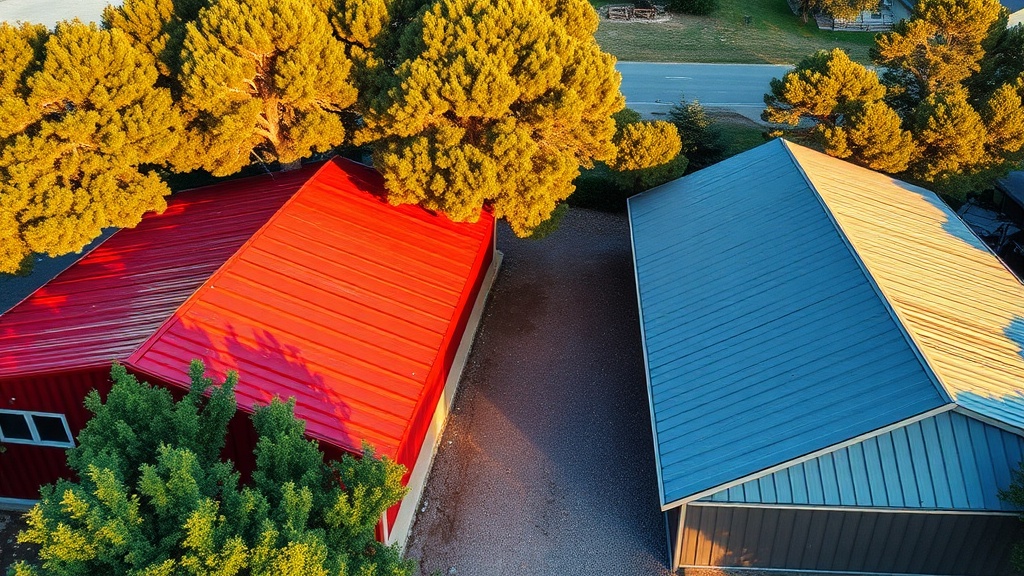
The CSRA and Lowcountry present specific roofing conditions: high humidity, frequent afternoon storms, and — closer to the coast — elevated salt-air exposure. Tuff Rib handles these conditions well when the right gauge and coating are specified.
The applications where it makes the most sense in this region:
* Agricultural buildings and barns — large roof areas where cost-per-square-foot matters and the occasional re-torque of fasteners is routine maintenance. For more on metal options for barns specifically, see barn roofing in South Carolina.
* Detached garages and workshops — structures that need a durable, low-maintenance roof without a residential-grade price tag.
* Rural residential properties — homes in Aiken County, Edgefield County, and similar rural areas where the aesthetic fits the setting and the owner is replacing an aging asphalt or tin roof on a fixed budget.
* Outbuildings and storage structures — where a 20- to 30-year panel lifespan is more than adequate for the intended use.
* Budget-conscious homeowners who want a metal roof and have weighed the exposed-fastener trade-off against the cost difference from standing seam.
Tuff Rib is not the right call for every home. But for the right structure in the right situation — particularly across the rural CSRA — it’s a practical, durable option that outperforms asphalt shingles on lifespan and weather resistance.
Tuff Rib Metal Roofing FAQs
How long does Tuff Rib last?
A properly installed Tuff Rib roof using 26-gauge steel with a quality paint system will typically last 30–40 years on a residential or agricultural structure. The limiting factor on longevity is usually the neoprene washers on the exposed fasteners, not the steel panel itself. In most cases, fasteners can be inspected and re-torqued or replaced well before they become a leak source — extending the effective life of the roof.
Is Tuff Rib a good choice for a home?
It can be. It’s more common on outbuildings and agricultural structures, but it’s installed on homes across Aiken, SC and the broader CSRA regularly. The key questions are whether the homeowner is comfortable with the exposed-fastener maintenance requirement over time, and whether the aesthetic fits the property. For a primary residence where the owner wants to avoid any fastener maintenance for the life of the roof, standing seam is the more appropriate system.
Does Tuff Rib leak at the fasteners?
Not when properly installed and maintained. Each fastener uses a neoprene washer that compresses against the panel to seal the penetration. Leaks at fasteners typically result from one of three things: fasteners driven at the wrong angle (which distorts the washer seal), over-driven fasteners (which crush and crack the washer), or washer degradation on an older roof that hasn’t been inspected. A correctly installed Tuff Rib roof with periodic inspection will not leak at fasteners for many years.
What maintenance does a Tuff Rib roof need?
Less than asphalt shingles, but not zero. Recommended maintenance includes: clearing debris from the roof surface and gutters (debris holds moisture against the panels and fasteners), checking fasteners periodically for backing-out or washer wear — especially after severe weather — and inspecting any penetrations (vents, pipe boots, ridge caps) for sealant integrity. On a well-installed roof in average CSRA conditions, a basic inspection every few years is generally sufficient to catch any fastener issues before they become water intrusion.
Can Tuff Rib be installed over an existing roof?
In some cases, yes — a Tuff Rib panel can be installed over existing asphalt shingles if the deck structure is sound and local code permits it. This is sometimes called a “re-roof over” or “recover.” It eliminates tear-off labor and disposal costs. However, it also means any existing deck damage is not visible or addressable before the new roof goes on. Hixon’s evaluates each job individually before recommending a recover versus full tear-off.
—
Ready to get a number on Tuff Rib for your property? Hixon’s Roofing provides free estimates for homeowners and property owners in Aiken, Augusta, Charleston, and Columbia. Contact us here to schedule your estimate.