Standing Seam
Precision Engineering, Modern Style
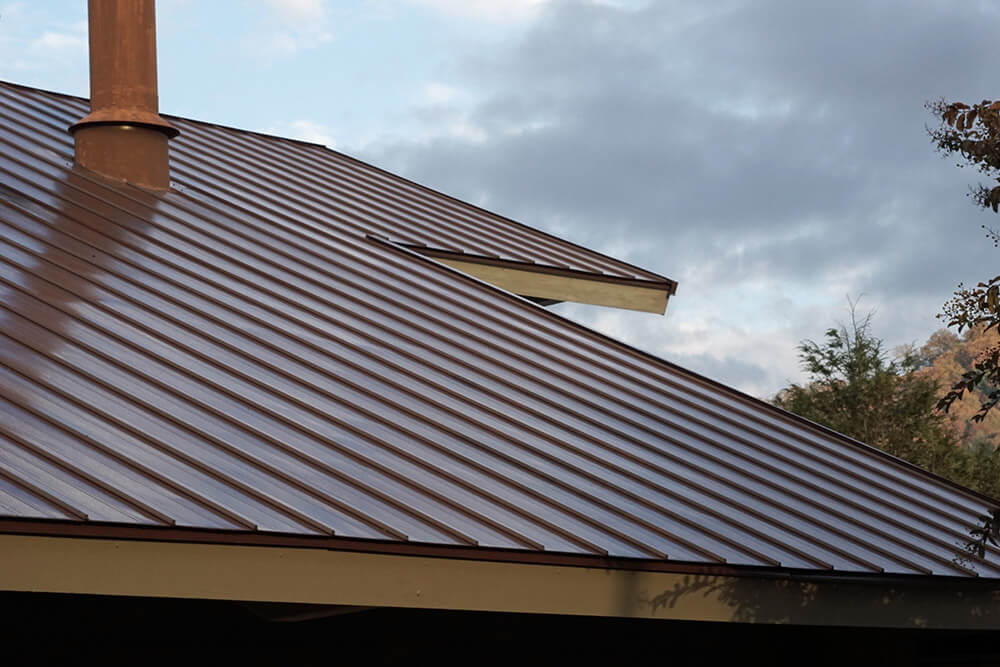
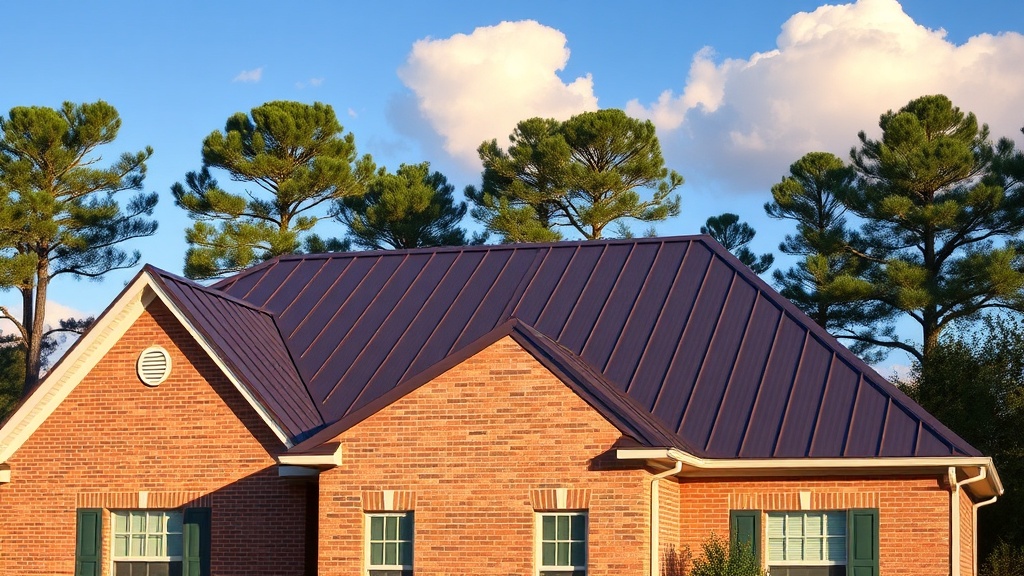
Sleek, seamless, and built for performance. Standing Seam metal roofing features interlocking panels with concealed fasteners, creating a smooth, contemporary finish that’s as weather-resistant as it is striking. This high-end metal roofing system is ideal for homeowners who want a clean aesthetic with industrial-grade durability.
Whether you’re building new or upgrading an older roof, Hixon’s delivers precision installation that ensures every Standing Seam panel is perfectly aligned and built to perform.
Elevated Protection, Seamless Performance
The concealed fastening system of Standing Seam roofing not only boosts curb appeal—it also minimizes exposure to the elements, reducing the risk of leaks and corrosion. With an expected lifespan of 40 to 70 years and virtually no maintenance, this is a roofing solution designed for the future.
For homeowners looking to combine modern design with elite performance, Standing Seam metal roofing offers one of the most advanced and resilient options on the market.
What Is Standing Seam Metal Roofing?
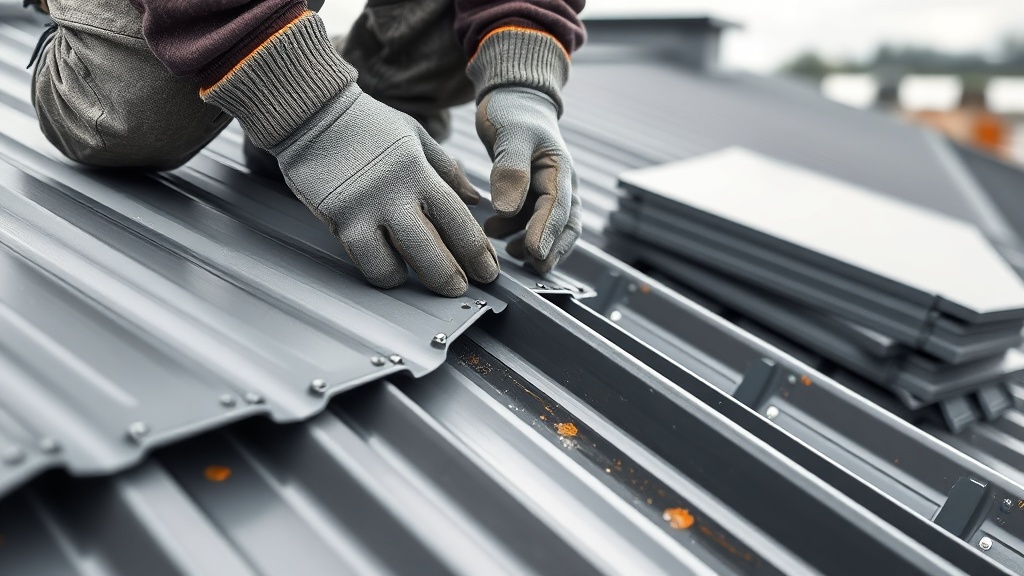
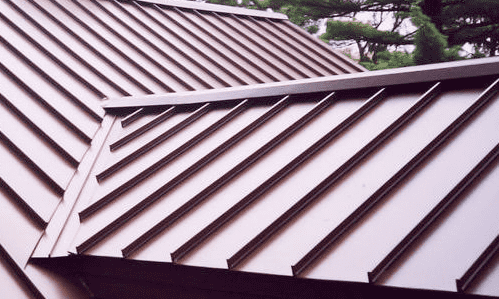
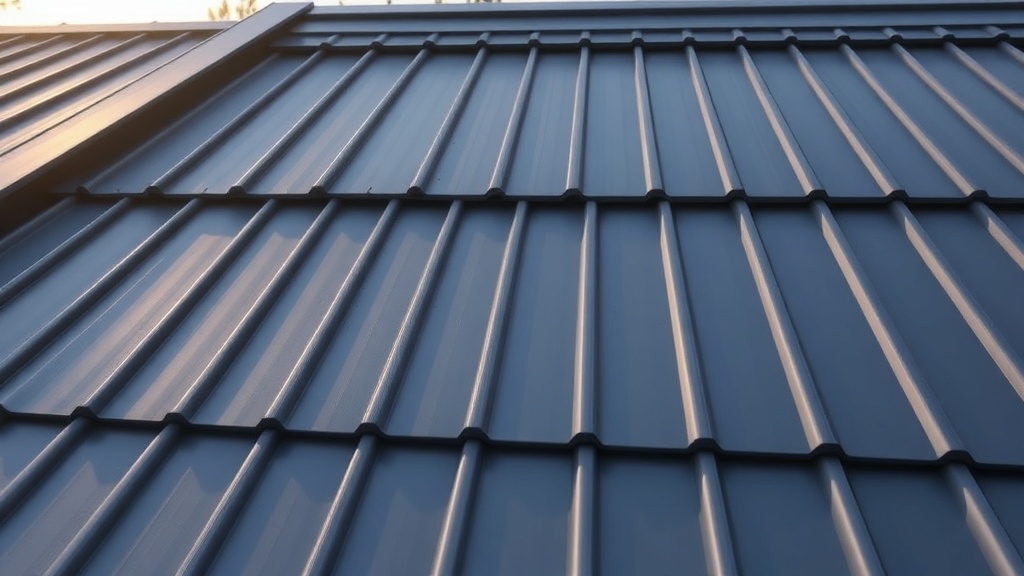
Standing seam is a metal roofing system where the panels interlock at raised vertical seams that run from ridge to eave. All fasteners are hidden beneath those seams — no exposed screw heads, no penetrations through the face of the panel. That hidden-fastener design is the defining feature that separates standing seam from screw-down metal panels.
Panels are typically formed from steel or aluminum. Steel panels are most common in the South Carolina and Georgia market and are available in 24-gauge and 26-gauge profiles. 24-gauge is thicker and more rigid — the preferred spec for residential applications where long-term performance and oil-canning resistance matter. Aluminum panels are specified where salt-air corrosion is a concern, though they carry a higher material cost.
Common seam heights run from 1.5 inches to 2 inches. Clips attach the panels to the deck and float inside the seam, which allows the metal to expand and contract with temperature changes without stressing the fasteners or the panel face. Factory-applied PVDF (Kynar) or SMP coatings are standard for color retention and chalk resistance.
For a full overview of metal roofing options Hixon’s installs across the region, visit the metal roofing hub page.
Standing Seam vs. Exposed Fastener Panels
The practical difference comes down to how each system is fastened to the roof deck and what that means over time.
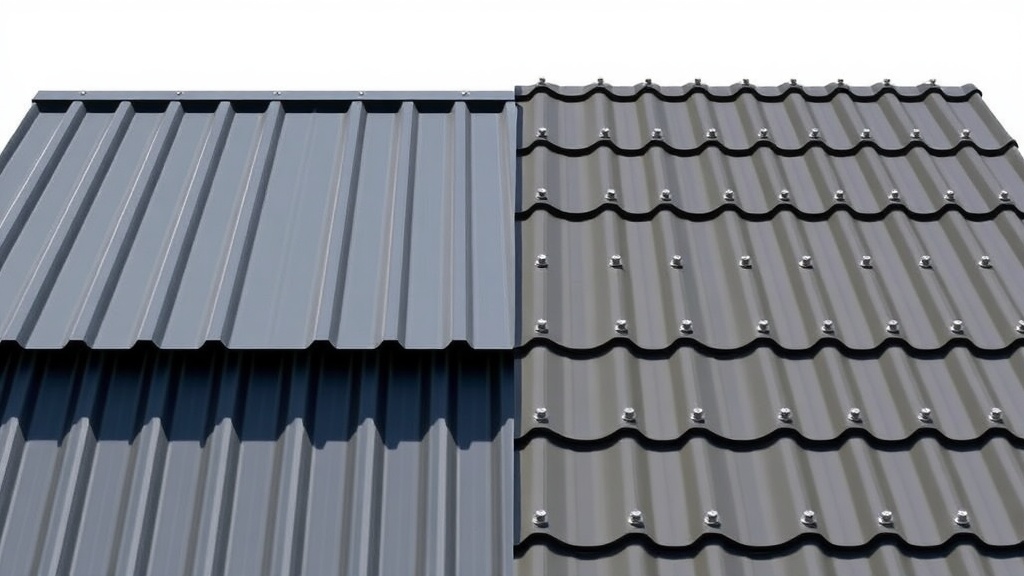
Exposed fastener panels — like tuff rib — are screwed directly through the face of the panel into the deck. Those screws have neoprene washers that compress to create a seal, but washers degrade over 10–20 years and the penetration points can become leak paths if fasteners back out or the washer fails. Exposed fastener roofs are widely used and are a proven system, but they require periodic re-fastening inspection.
Standing seam carries no exposed fasteners. The clip system allows the panel to move thermally without loosening any fastener, and there are no face penetrations to develop leaks. That is the primary reason standing seam commands a higher material and labor cost — and why it is the more appropriate choice for steep-slope residential roofs where longevity and reduced maintenance are the priority.
A side-by-side comparison:
* Fasteners: Hidden (standing seam) vs. exposed through panel face (tuff rib)
* Thermal movement: Floating clip system (standing seam) vs. fixed screw point (exposed fastener)
* Leak risk over time: Lower — no face penetrations (standing seam) vs. washer-dependent seal (exposed fastener)
* Installed cost: Higher (standing seam) vs. lower (exposed fastener)
* Best application: Residential steep-slope, long-hold properties (standing seam) vs. utility buildings, agricultural, lower-slope residential (exposed fastener)
Cost and Lifespan in South Carolina & Georgia
Standing seam in the Aiken, SC area and across the South Carolina and Georgia markets typically runs $8–$14 per square foot installed, depending on panel gauge, profile, coating, roof complexity, and current material pricing. That range covers a standard 24-gauge steel panel with a Kynar coating on a straightforward residential pitch. Steeper slopes, complex hip-and-valley geometry, and copper or aluminum panels push costs toward the upper end of that range.
Lifespan is generally cited at 40–70 years for a properly installed standing seam system in a residential application. That figure assumes the substrate is sound at installation, penetrations are properly flashed, and the coating system selected matches the regional climate. In the humid, storm-active climate of South Carolina and Georgia, the hidden-fastener design and the absence of face penetrations are meaningful durability factors compared to other roofing materials.
Insurance discounts: Many homeowners in South Carolina and Georgia have received property insurance premium reductions after installing metal roofing. The discount potential varies by carrier and policy, but the wind and hail resistance ratings common to 24-gauge standing seam panels are a factor underwriters weigh. Ask your insurance carrier directly before installation — Hixon’s can provide product documentation to support a discount inquiry, but we do not quote specific discount amounts because those depend entirely on your insurer.
For a broader look at what metal roofing performs like in this region over the long term, read Metal Roofing in the Southeast — What 40 Years Has Taught Us.
Standing Seam Metal Roof FAQs
How long does standing seam last?
A properly installed standing seam system typically lasts 40–70 years. The actual lifespan depends on gauge, coating quality, substrate condition at installation, and how well penetrations and flashings are maintained. The hidden-fastener system removes one of the most common failure points seen in older metal roofs — degraded fastener washers — which is a meaningful factor in that longevity range.
Is standing seam worth the extra cost over less expensive metal panels?
For a primary residence where the homeowner plans to stay long-term, the math often works in standing seam’s favor. The higher upfront cost is offset by lower maintenance requirements, a longer service life, and the absence of periodic re-fastening inspections that exposed fastener panels require. If budget is the primary constraint or the structure is a detached building, an exposed fastener panel may be the appropriate choice. Hixon’s installs both systems and will give you a straight comparison for your specific project.
Can standing seam be installed over existing shingles?
In some cases, yes — with conditions. South Carolina and Georgia building codes allow re-roofing over one existing layer of shingles in certain situations, but the deck must be inspected for deterioration, and proper underlayment must be installed regardless. Installing over shingles adds some dead load to the structure and can affect how flashings are detailed. Hixon’s evaluates the existing roof condition before recommending this approach. It is not appropriate for every situation.
Does standing seam qualify for insurance discounts in South Carolina or Georgia?
It can. Many carriers offer discounts for impact-resistant or high-wind-rated roofing materials, and 24-gauge standing seam panels often meet those thresholds. The specific discount — if any — depends on your carrier, your policy, your location, and the panel’s tested ratings. Hixon’s can provide product specifications and test data to support a conversation with your insurer.
What gauge should I specify for a residential project in Aiken, SC?
24-gauge is the standard specification for residential standing seam in this market. It is thicker and more resistant to oil-canning (the wavy appearance that can develop in thinner panels) than 26-gauge. For most homeowners, the difference in installed cost between 24- and 26-gauge does not justify stepping down to the lighter material on a long-term residential application.
—
Ready to get numbers on a standing seam roof for your home? Contact Hixon’s Roofing here for a free estimate, or call directly at (803) 991-4148. Hixon’s serves Aiken, SC and surrounding communities across South Carolina and Georgia.