
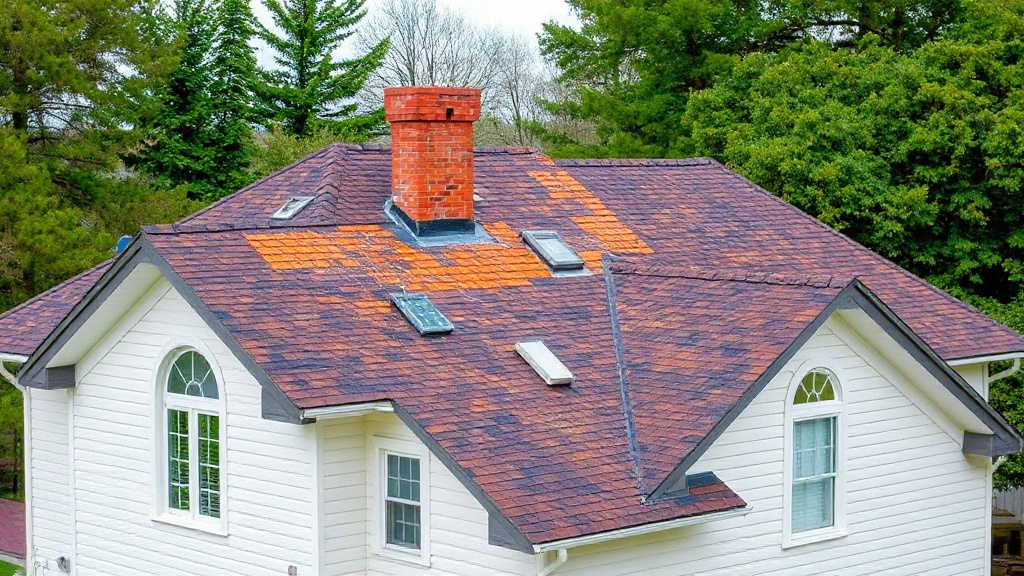
The Clock Starts the Moment the Storm Passes
A single inch of water inside your home from a compromised roof can cause $20,000–$45,000 in structural and mold-related damage, according to insurance industry data. That number grows every hour you wait. Storm damage doesn’t pause while you figure out what to do next — but most homeowners spend those critical first hours either doing nothing or doing the wrong things.
This guide walks you through exactly what to do in the 24 hours after storm damage hits your roof. Not generic advice. Specific steps, in order, based on what actually protects your home and your insurance claim.
Step One: Do Not Go on That Roof
Every year, storm-related fall injuries spike in the days immediately following severe weather events. Wet decking, displaced shingles, and weakened structural sections make post-storm roofs genuinely dangerous — even for experienced contractors with fall-protection gear.
What You Can Safely Do From the Ground
Walk the perimeter of your home and look for visible signs: missing or curled shingles, dented gutters, displaced flashing around chimneys or vents, granule deposits in your downspout drainage areas, and any sagging along the roofline. These are all readable from street level if you know what you’re looking for.
Inside the house, check your attic immediately. Daylight coming through the decking, wet insulation, or water stains on rafters all confirm active penetration. These interior signs often tell the story faster and more accurately than anything you’d see from outside.
Document Before You Touch Anything
This step costs you nothing and protects everything. Before moving debris, calling a contractor, or making temporary repairs, photograph and video every piece of damage you can observe — from the ground outside, from inside the attic, and from any interior rooms showing water intrusion. Timestamp every image. Insurance adjusters are trained to identify pre-existing damage versus storm damage, and a well-documented claim with photos taken within hours of the event is far harder to dispute than one assembled days later.
If you have a drone or can borrow one safely, aerial footage of the roof surface is gold for your adjuster. If not, don’t risk it yourself — a good emergency roofer will document the roof surface professionally during their inspection.
Call Your Insurance Company — But Know What to Say First
Contact your homeowner’s insurance carrier within the first few hours if at all possible. Most policies have notification requirements, and delayed reporting can complicate your claim. That said, do not let the urgency of the call push you into agreeing to anything on the phone before you’ve had a professional assess the damage.
The Adjuster Isn’t Your Advocate
Insurance adjusters work for the insurance company, not for you. That’s not cynical — it’s just how the system works, and knowing it protects you. An adjuster sent out quickly after a storm may be handling dozens of claims simultaneously. Their job is accurate assessment, not maximum payout. Having independent contractor documentation of damage scope — in writing — before the adjuster visits gives you a factual baseline to reference if numbers don’t line up later.
What the Insurance Call Should Cover
Tell them the date and approximate time of the storm event. Describe observable damage without speculating on causes or costs. Ask specifically about your policy’s requirements for emergency protective measures — most policies cover the cost of emergency tarping to prevent further damage, but only if it’s documented and done properly.
Get a claim number before you hang up. Everything that happens afterward ties back to that number.
Emergency Tarping: Why Speed Matters More Than You Think
A missing section of shingles over your master bedroom isn’t just a repair problem — it’s an open invitation for secondary damage. In the Lowcountry’s humidity, mold can begin colonizing wet insulation and wood framing within 24–48 hours of water exposure. By the time a delayed repair crew shows up four days later, what started as a $3,000–$5,000 roof repair job can become a $12,000 project with mold remediation added.
Emergency tarping done correctly — meaning properly anchored, with adequate overhang at the ridge, and using a heavy-duty tarp rated for the application — stops that clock. Temporary tarps installed by professional crews can hold through additional rain events while permanent repairs are scheduled. A tarp thrown loosely over a peak and held down with a rock cannot.
What Proper Emergency Tarping Actually Looks Like
The tarp should extend at least four feet beyond every edge of the damaged area and wrap over the ridge on at least one side. It needs to be mechanically fastened — typically with wood battens and screws into solid decking — not weighted. A professional crew completing this correctly will also document their work photographically, which supports your insurance claim. When Hixons Roofing responds to storm damage repair calls across the Lowcountry, emergency tarping is always documented with before-and-after photos specifically to support homeowners during the claims process.
The Storm Chaser Problem Is Real — and It Gets Worse Every Year
After any significant weather event in South Carolina, out-of-state roofing crews descend on affected neighborhoods within 24–48 hours. They knock on doors, offer free inspections, and sometimes push homeowners to sign Assignment of Benefits agreements on the spot — documents that legally transfer control of your insurance claim to the contractor.
This is where homeowners lose thousands of dollars and months of their lives. Signing an AOB means the contractor — not you — negotiates directly with your insurer and receives payment directly. Your leverage disappears. Their incentive to resolve things quickly and in your favor drops to near zero.
How to Vet a Contractor Before You Sign Anything
South Carolina requires roofing contractors to hold a valid residential specialty contractor license through the South Carolina Contractors’ Licensing Board. Ask for the license number and verify it at the state licensing board’s online portal before any paperwork is signed. Out-of-state crews often operate without proper licensure and leave before warranty claims can ever be filed.
Also ask for a physical local address — not just a phone number. A contractor without a verifiable local office has no accountability after they cash your insurance check. Legitimate local roofers doing residential roof repair in the Lowcountry have been here before the storm and will still be here after the repairs are complete.
Red Flags That Should Stop You Cold
- Any contractor who pressures you to sign before your insurance adjuster has visited.
- A crew that can’t provide proof of liability insurance and workers’ compensation coverage on request.
- An estimate delivered verbally with nothing in writing — a professional contractor provides written, itemized proposals.
- Unusually low bids that don’t align with the material costs for your roof type — this often signals that corners will be cut on installation.
What a Legitimate Damage Assessment Covers
A real professional assessment for roof repair after storm damage isn’t a five-minute walk-around. It covers the full roof surface — not just obviously missing shingles — because impact damage from hail or debris often creates micro-fractures in asphalt shingles that don’t become visible leaks until weeks later. It checks flashing integrity, ridge cap condition, fascia and soffit, and the condition of any existing penetrations like vents or skylights.
Storm Damage Patterns Specific to This Region
Lowcountry storms don’t behave like storms in other parts of the country. High-humidity air, frequent afternoon convective storms, and hurricane-track proximity mean that roof damage here often combines wind uplift with sustained water exposure — a combination that stresses the weakest points of any roof system simultaneously. In our experience serving homeowners across this region, the areas most commonly missed during post-storm inspections are the valleys (where two roof planes meet), step flashing along dormers, and the first two feet of decking above the eave line where water can back up even on roofs without visible missing shingles.
Hixons Roofing has been serving South Carolina homeowners through storm seasons for years, and the damage patterns repeat in predictable ways once you’ve seen enough of them. That field experience is what separates a thorough inspection from a cursory one.
After the First 24 Hours: What Comes Next
Once you’ve documented damage, filed your claim, secured the roof with emergency tarping, and scheduled an inspection with a licensed local contractor, the pace shifts from urgent to methodical. Your insurer will send an adjuster — typically within three to seven days for a standard residential claim. Having your contractor’s written assessment in hand before that visit puts you in a far stronger position.
For significant damage requiring full storm damage repair or roof replacement, typical timelines from adjuster visit to completed work run two to six weeks depending on material availability and scope. Roof repair for more contained damage can often be completed in a single day once materials are confirmed and the claim is approved.
Track every expense from the moment the storm passes — hotel stays, temporary repairs, mold testing — because documented additional living expenses and mitigation costs are often reimbursable under homeowner’s policies. Most homeowners leave money on the table simply because they didn’t know to save receipts.
The 24-hour window after a storm is stressful, but it’s also the window where good decisions have the most impact. Move fast on documentation and emergency protection. Move carefully on contracts and commitments. Those two instincts together will protect your home and your claim.
Written by the Hixons Roofing team — local roofing specialists with deep roots in the South Carolina Lowcountry, built on years of storm damage response, emergency roof repairs, and honest work for homeowners when they need it most.
If your roof took a hit, contact Hixons Roofing at hixonsroofing.com to schedule an emergency inspection before more damage sets in.