
The Gap Between What’s Covered and What Gets Paid
A named storm doesn’t have to make landfall to wreck a Lowcountry roof. Squall lines, pop-up derechos, and even the sustained wind gusts that roll off the coast during a typical summer afternoon can lift flashing, crack ridge caps, and drive water into decking — all without triggering a single emergency alert on your phone.
What follows that damage is where homeowners consistently lose money: the insurance claim process. Policies in South Carolina cover storm damage in principle, but the gap between what’s covered in writing and what an adjuster actually approves can run into thousands of dollars. Knowing how that gap works — and how to close it — is the difference between a fully restored roof and a partial payout that leaves you covering the rest out of pocket.
This guide walks through the mechanics of a roof insurance claim in the Lowcountry: what’s typically covered, what gets denied, how adjusters think, and what documentation actually moves the needle.
What Homeowners Policies Generally Cover — and What They Don’t
Covered: Sudden, Accidental Storm Events
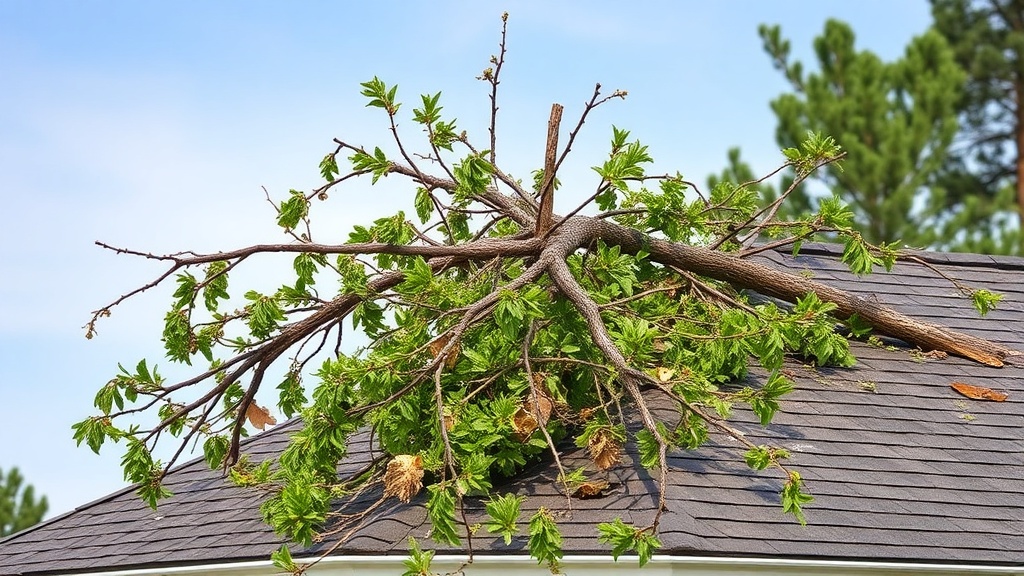
Standard homeowners insurance in South Carolina is built around the concept of sudden and accidental loss. Wind damage from a named storm or severe weather event, hail impact, falling trees or limbs, and lightning strikes all fall squarely into that category. If a hurricane-force wind rips shingles from your Charleston home, your policy was written to handle exactly that.
In 2026, with coastal storm activity remaining elevated, most major carriers still cover wind and hail as standard perils — though some have added separate wind/hail deductibles for coastal properties. That deductible can be a flat dollar amount or a percentage of your home’s insured value, typically between 1% and 5%. On a home insured at $400,000, a 2% wind deductible means you’re absorbing $8,000 before the carrier pays a cent. Many homeowners discover this for the first time when they file a claim.
Not Covered: Wear, Neglect, and Pre-Existing Conditions
Insurers draw a hard line at gradual deterioration. A roof that’s been slowly losing granules for three seasons, with cracked caulk around pipe boots and lifted tab shingles from previous wind events, will not receive full claim approval — even if the final trigger was last week’s storm.
Adjusters are trained to distinguish between storm-caused damage and damage that pre-existed the event. Moss growth, rusted flashing, soft spots in the decking, and granule loss in the gutters are all evidence adjusters document to support a denial or a reduced settlement. This is why deferred maintenance is so financially dangerous in a coastal climate like Summerville’s, where humidity and heat accelerate deterioration year-round.
Flood damage is also excluded from standard policies — that requires separate NFIP or private flood coverage. If a storm surge or heavy rainfall backs up under your roofline, you’ll need to carefully document the cause, because the line between wind-driven rain and flood can determine whether your claim is paid.
How Insurance Adjusters Actually Assess Your Roof
The Adjuster’s Checklist — And How It Works Against You
An insurance adjuster’s job is to assess damage accurately, but they’re also working within a claims system that rewards conservative settlements. When an adjuster arrives, they’re looking at three things: the age of the roof, the condition prior to the storm, and whether the documented damage is consistent with the reported weather event.
Age matters enormously. If your roof is 18 years old and your policy settles on an Actual Cash Value basis rather than Replacement Cost Value, the payout will be depreciated. A $14,000 replacement on an 18-year-old asphalt shingle roof might net you $5,000 after depreciation — leaving you with a real shortfall. Replacement Cost Value policies cost more in premium but pay what it actually costs to replace the roof at current material and labor prices, which in the Charleston metro area currently run between $9,000 and $18,000 for a standard residential replacement depending on size and pitch.
What an Adjuster Looks For on the Roof Surface
Hail damage shows up as soft bruising on asphalt shingles — circular impact marks where the granule layer has been knocked loose, exposing the mat beneath. Wind damage typically presents as lifted tab edges, broken seals, missing shingles, or torn flashing at ridges and valleys. Adjusters photograph and measure both.
One thing most homeowners don’t know: adjusters often use hail maps and weather verification services to confirm whether your property actually received hail of a damaging size on the date of the storm. If the storm cell tracked two miles north of your address, an adjuster can deny the claim based on that data alone — even if your neighbor filed successfully. Getting the date and weather event right on your claim documentation matters more than most people realize.
Documenting Storm Damage the Right Way
Start Before the Adjuster Arrives
Your claim outcome is shaped significantly by the documentation you control before anyone from the insurance company sets foot on your property. Time is the enemy here — storm damage deteriorates quickly, especially in the Lowcountry’s humidity, and the longer you wait, the harder it becomes to establish what the storm caused versus what happened afterward.
Within 24 to 48 hours of a damaging event, photograph every visible area of concern from the ground using your phone. Capture the full roof from multiple angles, then zoom in on missing shingles, lifted edges, cracked ridge caps, and debris impact points. If it’s safe to get onto the roof, document the decking, valleys, and pipe boot areas. If not, a drone photo service or an experienced roofing contractor can capture that documentation for you.
Inside the home, photograph any water intrusion — ceiling stains, wet insulation in the attic, damaged drywall. These interior photos tie the roof damage to actual impact inside the home, which strengthens the claim considerably.
Emergency Roof Repair — Do It Right, Document It Better
Your policy requires you to mitigate further damage after a storm event. That means if you have exposed decking or an active roof leak, you can’t simply wait for the adjuster — you need emergency roof repair to prevent the damage from worsening. Temporary tarping, patching, or covering penetrations all qualify as mitigation.
Keep every receipt. Photograph the temporary repairs before and after they’re installed. Write a dated note describing what was found and what was done. This documentation becomes part of your claim file and can support reimbursement for the emergency costs. Failing to mitigate can actually give the carrier grounds to reduce your settlement for damages that occurred after the storm because of your inaction.
Why a Roofing Contractor Experienced in Insurance Claims Changes the Outcome
The Adjuster Sees What the Contractor Finds — Or Misses
Adjusters typically spend 20 to 40 minutes on a residential roof inspection. A roofing contractor with insurance claim experience will spend significantly longer — and they know what to look for that adjusters sometimes miss. Secondary damage to ridge vents, compromised underlayment, damaged soffit and fascia from wind-driven debris, and granule accumulation patterns that confirm impact severity are all areas where a thorough contractor inspection adds documentation the adjuster may not generate on their own.
When you submit a contractor’s written scope of work alongside your insurance claim — with itemized measurements, material specifications, and unit pricing — you give the adjuster a framework to work within rather than letting them define the scope alone. In our experience across hundreds of storm-related repairs throughout the Lowcountry, claims supported by a detailed contractor estimate at the time of the adjuster visit consistently result in more complete settlements than claims filed without one.
Supplement Claims — The Step Most Homeowners Skip
An initial insurance settlement is not always the final word. Supplement claims allow you to go back to the carrier with additional documented damage or costs that weren’t captured in the original assessment. Material price changes between the settlement date and the repair date, code-required upgrades like drip edge or ice and water shield, and damages discovered during tear-off that weren’t visible from the roof surface are all legitimate grounds for a supplement.
Roofing repair companies that understand the supplement process file these routinely. This step alone can recover $1,500 to $4,000 in additional coverage that homeowners who handle claims independently never collect.
Working the Claim Process in the Lowcountry’s Favor
What Public Adjusters Do — and When to Use One
A licensed public adjuster works on behalf of the homeowner rather than the insurance carrier. They typically charge 10% to 15% of the final claim settlement. For large losses — a full residential roof replacement in the $14,000 to $18,000 range with significant interior damage — that fee can be worth it. For smaller claims under $8,000, the math is tighter and you should weigh the cost against the likely additional recovery.
Working directly with a roofing contractor experienced in residential roof repair and insurance claims often achieves similar results without the additional fee. The key is choosing a contractor who can document damage thoroughly, write a detailed estimate in insurance-standard formatting, and communicate directly with the adjuster if discrepancies arise.
One Thing That Voids Your Leverage Fast
Signing a contract with a contractor before your insurance claim is approved is a position that limits your options. Some high-volume storm-chaser operations pressure homeowners into signing Assignment of Benefits agreements immediately after a storm — these transfer your claim rights to the contractor. South Carolina has restrictions on these agreements, but the practice still surfaces after major weather events. Get your claim filed, get the adjuster’s initial assessment in writing, and then engage a contractor for the actual repair work.
Hixons Roofing has served Lowcountry and South Carolina homeowners through storm seasons for years, and the single most common mistake we see is homeowners letting the first person who knocks on their door after a storm control the entire process. The roof insurance claim in Lowcountry SC communities is yours to manage — and managing it well starts with understanding what you’re entitled to before anyone starts writing up contracts.
A well-documented storm damage roof repair claim, filed correctly and backed by a qualified contractor’s detailed scope, gives you the best possible position with your carrier. If the initial settlement feels short, it probably is — and there are legitimate tools to address it. Don’t sign off on a final release until you’re confident the settlement covers the full scope of damage found during tear-off and inspection.
Written by the Hixons Roofing team — licensed roofing specialists serving the Lowcountry, Charleston metro, and surrounding South Carolina communities with storm damage repair, residential roofing, and insurance claim support.
If your roof took a hit in a recent storm, schedule an inspection with Hixons Roofing at hixonsroofing.com before your claim window closes.