
The Number Everyone Searches — and Why Google Gets It Wrong
A quick search for roofing cost will return national averages hovering around $9,000–$12,000. That number is nearly useless if you own a home in Charleston. The Lowcountry has its own set of rules — building codes shaped by hurricane history, salt air that eats through inferior materials in under a decade, and a coastal premium that follows every supply truck across the bridges.
In 2026, a realistic roof replacement in Charleston typically runs between $11,500 and $28,000 for a residential home, depending on size, pitch, and what you put on it. That range isn’t vague — it maps directly to real jobs, and we’ll walk through exactly what moves the number in either direction.
One thing worth understanding upfront: cheap roofing in Charleston doesn’t stay cheap. A roof installed at the low end of the market — undersized fasteners, non-rated shingles, skipped underlayment — can fail its first major storm season. The math changes fast when you’re filing an insurance claim two years into a 25-year product.
What Drives Roofing Cost in the Lowcountry
Square Footage and Roof Complexity
Contractors price roofing by the “square” — that’s 100 square feet of roofing surface. A 2,000-square-foot home doesn’t have a 2,000-square-foot roof. Factor in pitch, overhangs, and multiple planes, and that same home’s actual roofing surface often lands between 2,400 and 3,000 square feet. Valleys, dormers, skylights, and chimneys each add labor time and material waste.
A straightforward ranch-style home with a simple gable roof costs measurably less per square to replace than a multi-story Charleston single with multiple dormers and steep pitches. Expect complex rooflines to add $1,500–$4,000 to a base estimate depending on scope.
Roof Pitch and Safety Requirements
Pitch — the steepness of your roof — directly affects labor cost. Anything above a 6:12 pitch (6 inches of rise for every 12 inches of run) typically requires crew members to use harness systems and takes significantly longer to work safely. Steep pitches are common in older Charleston neighborhoods, and they add a legitimate 15–25% to labor costs compared to a walkable low-slope roof.
That’s not contractor padding. OSHA fall protection requirements are real, and any licensed crew following proper safety protocols will reflect that in their pricing. If a bid on a steep roof seems implausibly low, ask how they’re handling fall protection — the answer tells you a lot about how they run their operation.
Coastal Wind Ratings and What They Actually Cost
Charleston falls within a high-wind zone under South Carolina’s building code. Since Hurricane Hugo reshaped coastal construction standards, the Lowcountry has required materials and installation methods rated for significant wind uplift. In 2026, that standard means your shingles need to carry a minimum 130 mph wind rating — and your contractor needs to install them with six nails per shingle rather than the four-nail pattern still used in inland markets.
Six-nail installation takes more time and more fasteners. It also genuinely protects your home better. Premium wind-rated shingles cost $15–$35 more per square than standard-rated products, and the installation labor differential adds roughly $200–$500 to a typical job. Budget for it — and be skeptical of any contractor who doesn’t mention wind ratings when quoting a coastal property.
Material-by-Material Roofing Cost Breakdown for Charleston
Architectural Asphalt Shingles
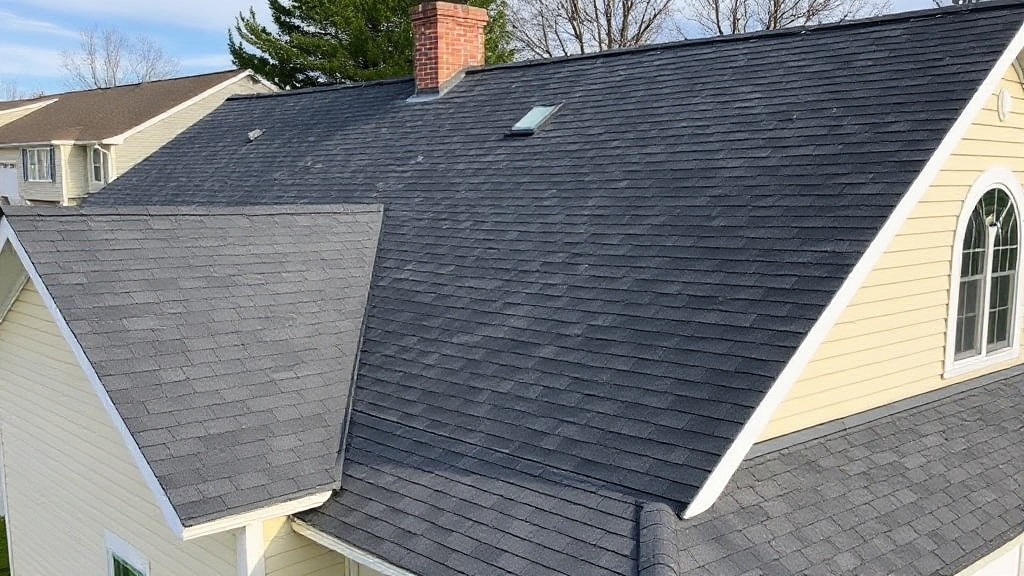
Asphalt remains the most common choice for roof replacement in Charleston, and for most homes it makes good financial sense. A quality architectural shingle installation — including tear-off, synthetic underlayment, proper ventilation, and new flashing — typically runs $11,500–$17,000 for a 1,800–2,200 square foot home.
The coastal caveat: standard 3-tab shingles are a poor fit here. Architectural (dimensional) shingles are thicker, heavier, and carry higher wind ratings. They’re also dramatically more resistant to the algae growth that turns roofs black within five years in the Lowcountry’s humidity. Look for shingles with built-in copper or zinc granules — they inhibit algae without requiring annual chemical treatments.
Standing Seam Metal Roofing
Standing seam metal has become increasingly popular in Charleston over the past decade, and the reasons are practical, not just aesthetic. Steel and aluminum don’t absorb moisture, resist salt air corrosion far better than asphalt, and carry wind ratings that routinely exceed 140 mph when properly installed. A Galvalume steel standing seam roof typically lasts 40–60 years in coastal conditions — roughly double the effective lifespan of asphalt in the same environment.
The cost reflects that longevity. Metal roofing installation in Charleston runs $18,000–$28,000 for the same home size. That’s a real premium upfront, but when you divide it across the roof’s lifespan and factor in lower maintenance costs and better insurance positioning, many Charleston homeowners find the numbers work in their favor — particularly those planning to stay in a home long-term or looking to improve resale value.
TPO and Flat Roofing Systems
Many Charleston homes — especially those with covered porches, additions, or garage connections — include flat or low-slope sections that require a membrane system rather than shingles. TPO (thermoplastic polyolefin) is the dominant choice for residential low-slope work in 2026 due to its UV reflectivity and heat-weld seams that hold up well under coastal conditions.
TPO installation typically runs $7–$12 per square foot installed, meaning a 500-square-foot flat section adds $3,500–$6,000 to a project. Modified bitumen is a lower-cost alternative at $5–$8 per square foot installed, though it requires more maintenance in high-UV environments. If your quote doesn’t itemize flat sections separately from pitched surfaces, ask — some contractors blur those lines in ways that make comparisons difficult.
The Salt Air Factor: A Cost That Never Shows Up on Quotes
This is something many homeowners don’t factor into their initial budget — but it absolutely affects long-term cost. Homes within a few miles of the ocean or tidal waterways are in a corrosive microclimate that degrades flashing, fasteners, and metal accessories faster than inland homes experience. Galvanized flashing installed on an interior South Carolina home might last 20 years. That same flashing on a Johns Island property could show rust failure in 8–10 years.
Hixons Roofing has serviced properties across the South Carolina Lowcountry for years, and we’ve learned to specify stainless steel or copper fasteners and aluminum drip edge on any job within a coastal proximity zone — not as an upsell, but because standard materials simply don’t last here. That upgrade typically adds $300–$700 to a project. It’s money that pays for itself the first time you’d otherwise be scheduling a repair call.
Ask any contractor you’re evaluating what fastener spec they use for coastal installs. If they give you a blank look, that’s your answer.
How to Evaluate a Roof Replacement Estimate Without Getting Burned
What a Legitimate Quote Includes
A solid roof replacement estimate should itemize: tear-off and disposal, underlayment type and brand, shingle product name and wind rating, flashing specifications, ventilation scope, and warranty terms — both on materials and labor. If you receive a one-line quote that says “reroof your home — $14,200,” you have no basis for comparison and no recourse if corners get cut.
Material brands matter here. There’s a meaningful performance difference between builder-grade shingles and premium lines from the same manufacturer. Ask specifically what product is being installed — then look up its wind rating and warranty terms yourself. Manufacturer websites publish spec sheets. Ten minutes of research can reveal whether two similar-priced quotes are actually offering equivalent products.
South Carolina Licensing — What to Actually Check
South Carolina requires residential roofing contractors to hold a General or Specialty Contractor license through the SC Contractor’s Licensing Board. You can verify any contractor’s license status at the LLR portal in under two minutes. Beyond that, confirm they carry general liability insurance (minimum $300,000 is standard) and workers’ compensation — not just a certificate that expired six months ago.
For jobs exceeding $5,000 in Charleston County, a building permit is generally required. A contractor who suggests skipping the permit to “save time” is putting your insurance coverage and resale disclosure obligations at risk. Permitted work creates a documented record that the installation was inspected — something your insurer and future buyer will want to see.
The Three-Quote Rule — Applied Intelligently
Getting multiple quotes is good practice, but comparing them requires a common baseline. Request that every contractor quote the same shingle line (or equivalent wind rating), the same underlayment type, and the same scope of flashing replacement. Without that, a $3,000 spread between bids often evaporates when you realize the lower bid excluded the flat section over your sunroom.
When quotes are genuinely apples-to-apples, a 10–15% spread is normal. A bid that’s 25% below the others warrants direct questions — not automatic rejection, but specific answers about what’s different in their scope or materials.
Storm Season, Insurance, and Timing Your Replacement
Charleston’s storm damage repair season runs June through November, and the market responds accordingly. Roofing contractors in the Lowcountry tend to be booked out 4–8 weeks further in summer and fall than in winter and early spring. If your roof is aging and you want to control your timeline rather than react to a leak, scheduling a replacement estimate in February or March typically gets you better scheduling flexibility and occasionally better pricing.
If storm damage is involved, document everything before any temporary repairs are made — photos, timestamps, interior damage notes. Your insurance claim outcome hinges on documentation, and contractors experienced in insurance work can often identify damage that homeowners miss during their own walk-around. What looks like a few lifted shingles from the ground can include damaged ridge cap, dented flashing, and split pipe boots that only show up on the roof surface.
A new roof built to current Charleston code — proper wind ratings, six-nail installation, sealed starter strips — can meaningfully affect your homeowner’s insurance premium. Some carriers offer discounts for wind-mitigation features verified by a licensed inspector. That inspection typically costs $150–$200 and can result in annual premium reductions that recover the inspection cost many times over. Worth asking your insurance agent before you finalize your material and installation spec.
Making the Final Call
A new roof in Charleston is a significant investment, but it’s one where the specification details matter far more than they do in less demanding climates. Getting the wind rating right, the fasteners right, and the underlayment right means the difference between a roof that performs for 25 years and one that’s back in your budget in ten. Price is one input — but what you’re actually buying is a system designed for where you live.
Get quotes that itemize everything, verify licenses and insurance before signing anything, and treat any contractor who can’t discuss coastal-specific specs as a signal to keep looking.
Written by the Hixons Roofing team — asphalt shingle and metal roofing specialists serving the South Carolina Lowcountry, with deep experience in coastal installation standards and storm damage recovery.
To get a detailed, itemized roof replacement estimate from a team that knows the Lowcountry’s demands inside and out, contact Hixons Roofing at hixonsroofing.com.