
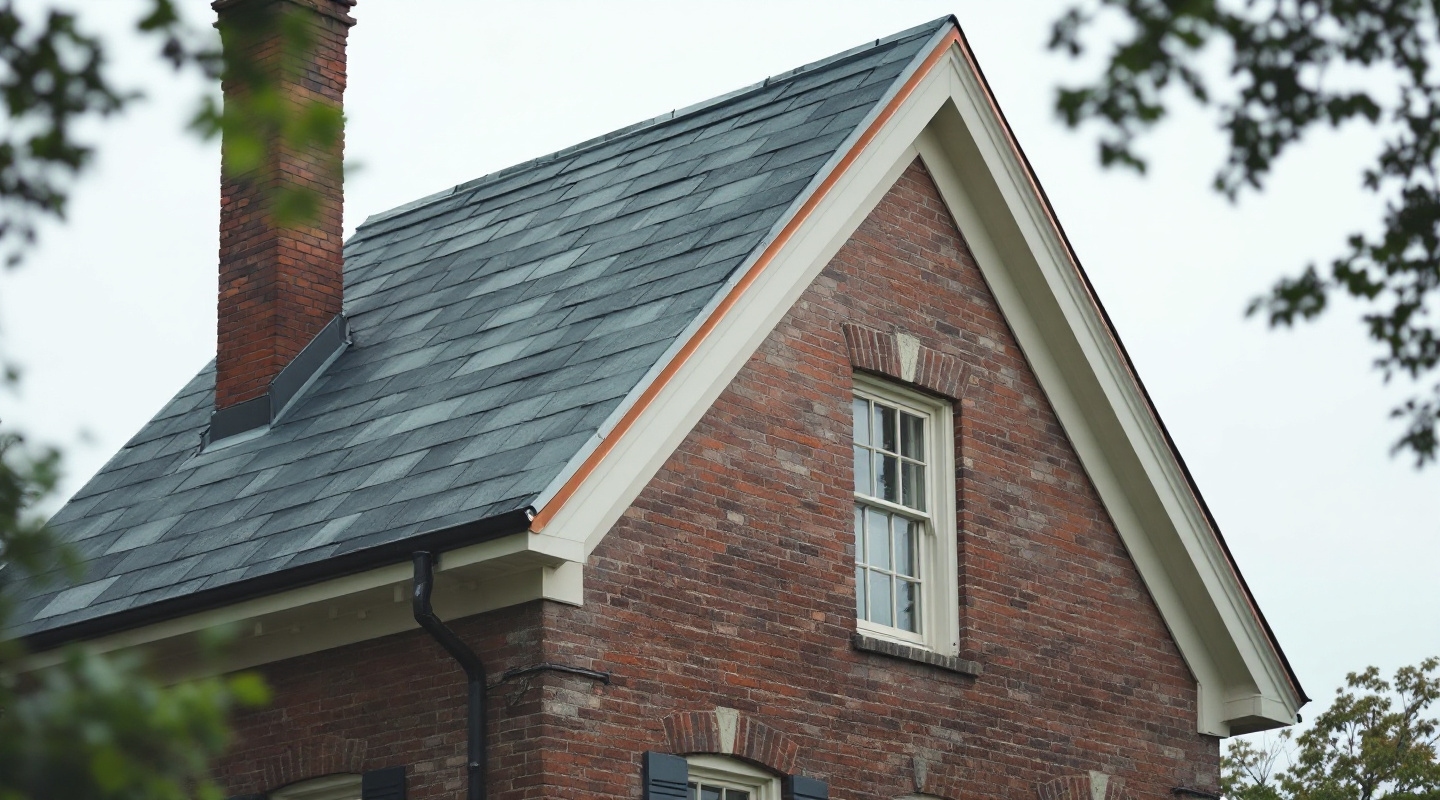
Two Materials, One Brutal Climate
A genuine slate roof installed in the 1890s can still be doing its job today — no hyperbole. Natural slate has outlasted the homeowners who paid for it, the contractors who installed it, and in some cases, the towns around it. That kind of lifespan is almost disqualifying in its rarity.
But South Carolina is not Vermont. The Low Country humidity, the Midlands heat index pushing past 110°F in summer, the coastal exposure to Category 1 and 2 storm systems every few years — these conditions put every roofing material through a stress test that temperate climates simply don’t replicate. Before you commit to slate roofing for your home, you need to understand exactly what that climate does to both the traditional and synthetic versions of this material.
The short version: one of these options is almost always the smarter choice for most South Carolina homeowners, and it’s probably not the one you’d guess.
What Makes Natural Slate Roofing Different
The Basics of the Material
Natural slate is quarried stone — predominantly metamorphic rock extracted from regions like Vermont, Pennsylvania, and parts of Wales. It’s split into thin tiles, typically 3/16″ to 1/4″ thick, and installed in overlapping courses. When people talk about a 100-year roof, this is usually what they mean.
High-quality slate from reputable quarries carries a tested lifespan of 75 to 150 years under the right conditions. Manufacturer spec sheets and independent testing from institutions like the National Roofing Contractors Association consistently support that range. The catch is that phrase — “the right conditions.”
The Weight Problem Nobody Warns You About
Natural slate weighs between 700 and 1,500 pounds per square (a “square” being 100 square feet of roof area). Standard asphalt shingles run about 200 to 350 pounds per square. The difference isn’t just academic — it determines whether your home’s structure can even support a slate installation without expensive reinforcement work.
Many older homes in Aiken and the surrounding CSRA were built with framing designed for asphalt, not stone. A structural engineering assessment before any natural slate project is non-negotiable, and that assessment alone typically runs $500 to $1,200 before a single tile is ordered. Factor that into your total budget from the start.
What Natural Slate Actually Costs in South Carolina
A full natural slate roof replacement on a 2,000 square foot home in South Carolina typically runs between $35,000 and $75,000 depending on slate grade, roof pitch, and the structural work required. Hard slate from Vermont commands a premium over soft slate from Virginia — and the difference in longevity justifies it for most buyers. Soft slate can start failing in 60 to 80 years; hard slate pushes closer to 150.
That price range puts natural slate firmly in luxury territory. For comparison, a quality asphalt shingle replacement on the same home runs roughly $9,000 to $16,000 in the Columbia and Charleston markets. The math only favors natural slate if you’re planning to stay in the home for decades and want to pass a near-maintenance-free roof to the next generation.
How South Carolina’s Climate Attacks Both Materials
Heat and UV Exposure
Natural slate handles heat exceptionally well — stone doesn’t warp, crack, or off-gas under UV radiation the way polymer-based products can. This is one area where traditional slate genuinely shines in the South Carolina climate. Even after weeks of 95°F+ temperatures, properly installed slate tiles maintain their dimensional stability.
Synthetic slate roofing — made from rubber, polymer composites, or fiber cement — has improved dramatically over the past decade. Premium synthetic products now carry UV-stabilized formulations that resist the thermal cycling South Carolina dishes out. Cheaper synthetic options, however, can show color fade and surface cracking within 10 to 15 years in full Southern sun. Brand and product tier matter enormously here, more than they do in cooler climates.
Humidity, Algae, and the Low Country Factor
Charleston and Summerville homeowners know the drill: black streaks on a roof usually mean Gloeocapsa magma, a cyanobacteria that thrives in humid conditions. Natural slate is naturally resistant to algae growth because it doesn’t provide the organic food sources that wood or asphalt do. In practice, this means less maintenance and a cleaner appearance without chemical treatments.
Many synthetic slate products now include algae-resistant additives in the composite material, narrowing this gap — but traditional slate still holds a slight edge in coastal and high-humidity environments. For roof maintenance for homeowners in the Low Country, that difference can mean skipping one or two professional cleaning cycles per decade.
Storm Damage and Wind Resistance
This is where the comparison gets genuinely interesting. Natural slate is brittle. A direct hail strike or impact from wind-driven debris can crack a tile cleanly — and finding a replacement tile that matches the original quarry color and thickness decades later is genuinely difficult. Storm damage roof repair on a natural slate system isn’t just about cost; it’s about sourcing materials that no longer exist in the exact form you need.
Synthetic slate, by contrast, is engineered for impact resistance. Class 4 impact-rated synthetic products — the highest rating under UL 2218 testing — can take a 2-inch steel ball dropped from 20 feet without cracking. In South Carolina’s storm corridor, that rating can also qualify you for insurance premium discounts, sometimes reducing annual premiums by 20 to 30 percent depending on your carrier and coverage tier.
The Synthetic Slate Case: Not a Compromise, a Different Solution
What the Manufacturers Have Actually Solved
The knock on early synthetic slate was that it looked fake and felt cheap. That criticism was fair in the 2000s. Products available in 2026 are a different story. Premium polymer composite synthetics now replicate the texture variation, shadow lines, and color depth of genuine quarried slate well enough that even experienced contractors do a double-take on a finished installation.
More importantly, synthetic slate roofing weighs between 150 and 300 pounds per square — comparable to asphalt shingles. That means most existing homes in South Carolina can accept a synthetic slate installation without any structural modification. That single factor eliminates thousands of dollars in prerequisite work.
Realistic Lifespan Expectations
Manufacturer warranties on premium synthetic slate products typically run 40 to 50 years. Independent contractor experience suggests the better products will hit those marks, though we’re still waiting on 50-year field data since the material category is relatively young. For most homeowners, a well-installed synthetic roof that lasts 40 to 50 years with minimal maintenance is an excellent outcome — especially at a total installed cost of roughly $15,000 to $28,000 on a typical South Carolina home.
That’s still a premium over asphalt, but it’s less than half the cost of natural slate for a material that looks the part and performs well in this climate specifically.
When Natural Slate Still Makes Sense
Historic Homes and Architectural Integrity
If you own a pre-1940 home in a historic district — many of which exist across Charleston, Aiken, and Columbia — a natural slate replacement isn’t just aesthetic preference, it may be required. Historic preservation guidelines in South Carolina often mandate like-for-like material replacement. In those cases, roof repair for homes in designated historic zones requires documentation that synthetic substitutes won’t satisfy.
For these properties, Hixons Roofing recommends getting clarity from your local historic preservation office before any work is scoped. Discovering mid-project that synthetic tile violates your district’s standards is an expensive surprise.
Structural Candidates That Skip the Engineering Cost
Some homes — particularly masonry construction, homes built on thick timber framing, or properties that previously carried a natural slate roof — already have the structural capacity to support the load. If your home falls into this category, the engineering step becomes a verification rather than an upgrade, and the cost calculus for natural slate shifts meaningfully in its favor.
A quick structural review by a licensed engineer will tell you within a single site visit whether you’re in this category. It’s worth the fee before writing off natural slate entirely.
Making the Call for Your Specific Home
The Questions That Actually Matter
Two factors cut through most of the noise on this decision: your home’s structural capacity and your timeline. If your house needs significant framing reinforcement and you’re not planning to hold the property for 40-plus years, natural slate is almost certainly the wrong financial move. If you’re in a historic district, love the authentic material, and have the structural foundation to support it, the long-term value proposition of genuine slate is real.
For the majority of South Carolina homeowners — particularly those in newer construction in the Columbia suburbs, coastal communities near Mount Pleasant, or rural properties across the CSRA — synthetic slate roofing delivers the look, the durability, and the storm performance this climate demands at a price that makes long-term financial sense.
One Field Insight Worth Keeping
Contractors who offer metal roofing for homes sometimes push customers toward metal over both slate options because it’s faster to install and carries strong margins. Metal is a genuinely excellent product for South Carolina — and standing seam metal roofing is hard to beat for longevity and storm performance. But if aesthetics matter and you’re set on a slate look, don’t let metal be sold to you as the only premium alternative. The synthetic slate category has earned a legitimate place at that table in 2026.
Hixons Roofing has been serving South Carolina homeowners for years, and the pattern we see repeatedly is simple: homeowners who invest time upfront understanding their structural situation and long-term plans consistently end up happier with their roofing choice — regardless of which material they choose.
Synthetic slate is the right answer for most homes in this state. Natural slate is the right answer for specific ones. Knowing which category your home falls into before you get a single bid will save you money, time, and the particular frustration of a beautiful roof installed on the wrong house.
Written by the Hixons Roofing team — roofing specialists serving South Carolina and the CSRA with hands-on experience across slate, synthetic, metal, and shingle installations.
Schedule a no-pressure roof assessment with Hixons Roofing at hixonsroofing.com.