
The Number Nobody Wants to Give You — And Why That Has to Change
A 2,000-square-foot home in Aiken and a 2,000-square-foot home in Mount Pleasant can have wildly different roofing costs — sometimes by $4,000 or more. Same square footage, different world. Yet most roofing articles online hand you the same hollow range: “$5,000–$25,000.” That’s not budgeting information. That’s a shrug in print.
This article gives you the actual numbers — material by material, region by region — so you can walk into a roof replacement estimate knowing exactly what questions to ask and what answers to expect. No filler, no runaround.
What a New Roof Actually Costs in South Carolina in 2026
The roofing cost for a typical residential roof replacement in South Carolina runs between $8,500 and $22,000 for most single-family homes, depending on material choice, roof complexity, and local labor rates. That range narrows significantly once you know your variables.
Here’s how the major material categories shake out for a standard 2,000 sq ft home (roughly 20–22 squares of roofing material, accounting for pitch and waste):
Architectural Asphalt Shingles
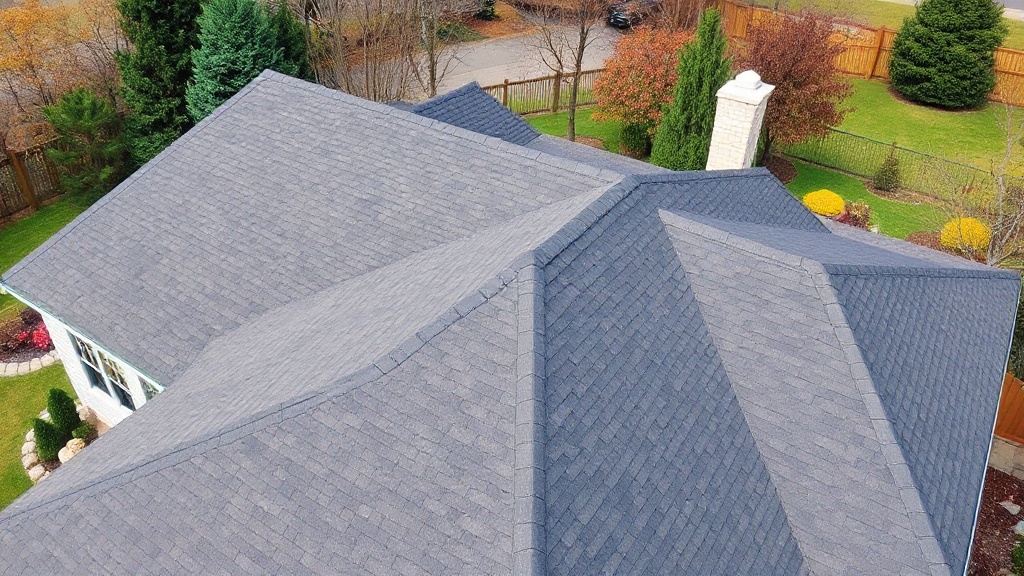
This is South Carolina’s most common residential roofing material, and for good reason — it balances cost, performance, and curb appeal well. Expect to pay $8,500–$13,000 installed for a 2,000 sq ft home in the CSRA or Midlands. Lowcountry pricing typically runs $500–$1,500 higher due to transportation costs and higher regional labor rates in the Charleston metro.
Architectural shingles carry 30-year manufacturer warranties in most product lines, though the real-world lifespan in South Carolina’s heat and humidity tends to run 20–25 years. UV degradation is faster here than in northern states — something worth weighing when comparing material grades.
Metal Roofing: Standing Seam vs. Metal Shingles
Metal is the fastest-growing segment in South Carolina residential roofing, and the price gap from asphalt is real but often misunderstood. A standing seam metal roof on a 2,000 sq ft home runs $18,000–$28,000 installed. Metal shingle panels (which mimic the look of traditional shingles but with metal durability) come in at $14,000–$20,000.
The case for metal in the Lowcountry and coastal zones is compelling. Salt air, hurricane-force winds, and intense summer UV loads eat asphalt shingles faster than the warranty suggests. A metal roof rated for 130+ mph winds — standard in products used along the SC coast — can outlast two or three asphalt replacements. Over a 40-year window, the math often favors metal.
Synthetic Slate
Synthetic slate has carved out a real niche in higher-end SC neighborhoods, particularly in historic districts and golf course communities around Aiken and Columbia. Material and installation together run $15,000–$24,000 for a 2,000 sq ft home. The appeal: the aesthetic of natural slate without the structural reinforcement natural slate demands. Most synthetic products carry 50-year warranties and hold up well against impact and thermal cycling.
The caveat: not every roofing crew in South Carolina has experience installing synthetic slate correctly. Improper fastening patterns or wrong underlayment choices can void the warranty fast. Vet installer experience specifically with the product you’re choosing.
How Home Size and Roof Complexity Drive the Final Number
Square footage is the starting point, but it’s rarely the whole story. A 2,500 sq ft ranch with a simple gable roof costs considerably less to replace than a 2,000 sq ft two-story with multiple dormers, valleys, and a steep pitch. Roofing contractors price by the square (one roofing square = 100 sq ft of roof surface), and that number diverges from your home’s footprint based on pitch.
A low-pitch roof (4:12 or less) on a 2,000 sq ft home might yield 22–24 roofing squares. A steep-pitch roof (8:12 or higher) on the same home can jump to 28–32 squares — and steep pitches also add a labor premium of $50–$150 per square for the additional safety equipment and slower working pace required.
Complexity Factors That Inflate Costs
Valleys, skylights, chimneys, and roof-to-wall transitions all require additional flashing work. A single skylight adds roughly $200–$400 to a roof replacement. A large chimney with step flashing and a counter-flashing rebuild can add $400–$800. These aren’t upsells — they’re code-required details that protect against water intrusion for years after the shingles go on.
Decking condition is another hidden variable. If the plywood or OSB beneath your old shingles has rotted or delaminated — common in older SC homes that experienced prolonged leaks — replacing it runs $80–$120 per sheet. A full decking replacement on a 2,000 sq ft home can add $2,000–$4,500 to the total. Reputable contractors include a per-sheet decking rate in their contracts upfront. Be wary of any bid that doesn’t address this possibility.
Labor Costs Across South Carolina: CSRA vs. Lowcountry
Labor is typically 40–60% of a residential roof replacement estimate in South Carolina, which means regional wage differences matter. The CSRA — covering Aiken, North Augusta, and the Augusta metro — runs on the lower end of the state’s labor scale. Skilled roofing crews in that corridor typically charge $75–$110 per square for labor on a standard asphalt replacement.
The Charleston metro, North Charleston, and Summerville operate in a tighter labor market with higher demand. Labor rates there commonly run $90–$140 per square for the same scope of work. Factor in material delivery costs to coastal job sites, and the Lowcountry premium over the CSRA can reach 15–20% on a comparable project.
The Permit Question Most Homeowners Skip
South Carolina requires a building permit for full roof replacements in most jurisdictions — not just a tear-off and reshingle, but the inspection process that follows. Permit fees typically run $150–$400 depending on county. More importantly, a permitted replacement creates a documented record that matters when you sell your home or file an insurance claim. Contractors who suggest skipping the permit to save time are creating a liability that follows your property, not theirs.
What Pushes Your Roofing Cost Higher — And What Keeps It Down
Several factors that homeowners don’t typically anticipate can move the final number significantly. Storm damage is the most common: hail impact that isn’t visible from the ground can compromise shingle granules across an entire plane of the roof, reducing its remaining lifespan by years. In those cases, insurance typically covers replacement — but only if the claim is filed correctly and the damage is properly documented before any repairs begin.
Layer count matters too. Many older SC homes have a second layer of shingles over the original. Some areas allow a second layer to be roofed over; most quality contractors won’t do it regardless, because it traps heat, adds weight, and masks decking problems. A full tear-off of two layers adds $500–$1,200 to disposal costs depending on home size.
Timing and Seasonality
South Carolina roofing demand peaks in spring and after major storm events. Booking a replacement in late fall or winter — when contractor schedules open up — often yields faster scheduling and occasionally better pricing as crews compete for work. The weather window in SC is actually quite favorable year-round; winter roofing is rarely an issue here the way it is in northern states.
The Material Upgrade Math
Stepping up from a 30-year architectural shingle to a Class 4 impact-resistant shingle typically adds $800–$1,800 to material costs on a standard home. But homeowners in SC with certain insurance carriers can qualify for premium discounts of 15–30% on their homeowner’s policy after installing a Class 4 product. Over several years, that discount can offset — or even exceed — the upfront cost difference. Ask your insurance agent before finalizing your material choice.
Reading a Roof Replacement Estimate: What the Line Items Should Tell You
A legitimate roof replacement estimate should break out materials from labor, list the specific shingle product and manufacturer, specify underlayment type (synthetic felt vs. traditional felt — synthetic is worth the upcharge in SC’s humidity), and include a per-sheet rate for any decking replacement discovered during tear-off.
Estimates that offer a single lump-sum number with no line items are harder to compare and easier to manipulate. When you get multiple bids, the line-item format lets you compare equivalent scopes — apples to apples. A bid that looks $1,500 cheaper might simply have left out ice-and-water shield at eaves, or priced 15-year shingles where the others quoted 30-year.
- Verify the contractor holds an active South Carolina contractor’s license — the SC LLR database lets you confirm this in under two minutes.
- Confirm the estimate includes both general liability insurance and workers’ compensation — if a crew member is injured on your property without it, your homeowner’s policy may be exposed.
Hixons Roofing has been installing and replacing roofs across South Carolina and the CSRA for years, and the single biggest cost mistake we see homeowners make is choosing the lowest bid without understanding why it’s low. A $1,500 gap between estimates usually reflects something — cheaper materials, skipped underlayment, no decking contingency, or uninsured labor. Any of those can cost more to fix than the difference you saved.
Putting a Real Number on Your Project
A 1,500 sq ft home in Aiken with a moderate-pitch roof and standard architectural shingles: budget $8,000–$11,000. A 2,500 sq ft home in Summerville with a steep pitch, multiple valleys, and standing seam metal: $24,000–$34,000. Both are real projects with real numbers — not ranges invented to cover every possibility.
The most reliable path to an accurate number is a physical inspection by a qualified contractor. Satellite measurements help, but they don’t catch decking rot, flashing failures, or the ventilation deficiencies that quietly shorten roof life from the inside. Budget time for an in-person assessment, not just an online quote tool.
Your roof is the one system on your home that protects every other system inside it. Getting the cost right — and the contractor right — is worth the extra hour of research upfront.
Written by the Hixons Roofing team — experienced residential and commercial roofing specialists serving South Carolina homeowners across the CSRA, Midlands, and Lowcountry.
For a transparent, no-obligation roof replacement estimate on your home, contact Hixons Roofing at hixonsroofing.com.