
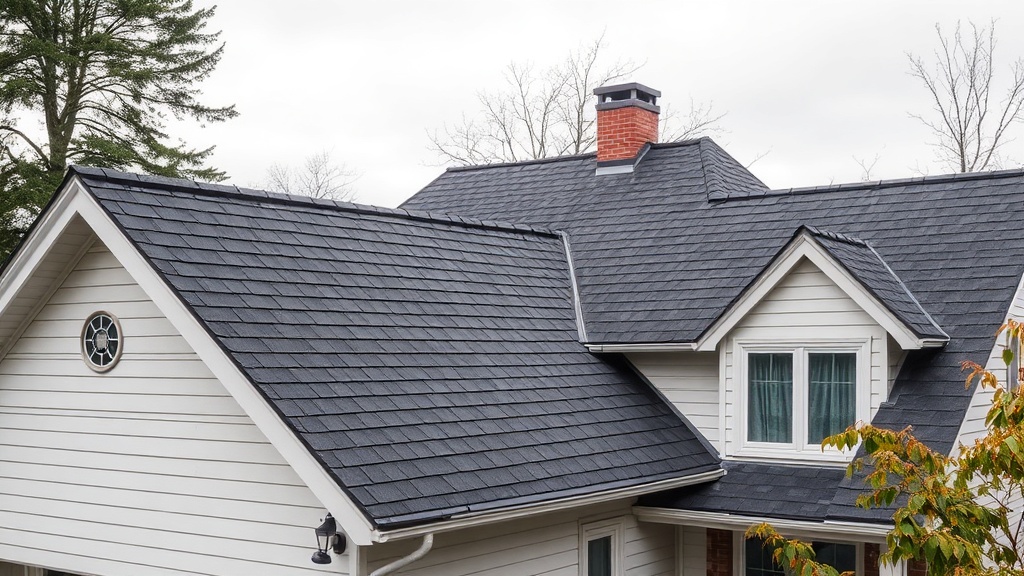
The Choice That Determines 30–50 Years of Your Home’s Performance
A new residential roof is not a purchase you make twice in a lifetime — which means getting this decision right matters far more than most homeowners initially realize. The asphalt vs metal roofing debate is the most common question we field from South Carolina homeowners, and the honest answer is: both materials are legitimate options. The right one depends entirely on your specific situation.
South Carolina throws a lot at a roof. Coastal humidity near Charleston can accelerate corrosion and algae growth. Summers in Aiken and Columbia push attic temperatures past 160°F. And every hurricane season brings the reminder that wind ratings are not just a spec-sheet number — they’re the difference between filing an insurance claim and sleeping soundly through a storm.
This comparison cuts through the generic advice and gives you the real-world picture: actual cost ranges, wind performance data, energy impact, and what each material means for your home’s long-term value.
First, Understand What South Carolina’s Climate Actually Does to a Roof
Most roofing comparisons are written for a generic American homeowner. South Carolina is not generic. The coastal plain, the Midlands, and the Upstate all present different challenges — but a few conditions affect nearly every home in the state.
Heat Load and Cooling Costs
South Carolina averages over 200 sunny days per year, and a standard dark asphalt shingle roof can absorb so much solar energy that your attic temperature climbs dramatically above the outdoor air temperature. That heat radiates downward into your living space and forces your HVAC system to work harder. Homeowners who switch from dark asphalt to a reflective metal roof with a light finish often report cooling bill reductions in the range of $60–$100 per month during peak summer months — not a rounding error over a 40-year roof life.
Energy Star-rated metal roofing products with cool-roof coatings can reflect a significant portion of solar radiation rather than absorbing it, a measurable advantage in a state where air conditioning runs six months out of the year.
Humidity, Algae, and Coastal Salt Air
The stretch from Summerville to Mount Pleasant to North Charleston is a particularly aggressive environment for roofing materials. Salt air accelerates the oxidation of metal fasteners, and the persistent humidity promotes algae and moss growth on asphalt shingles. Algae streaking on asphalt is not just cosmetic — the organisms actually feed on the limestone filler in shingle granules, shortening the roof’s functional lifespan.
Algae-resistant shingles (those with copper or zinc granules) address this somewhat, but they carry a price premium and don’t eliminate the issue entirely. Properly coated metal roofing, by contrast, gives algae nowhere to establish a foothold.
Asphalt vs Metal Roofing: The Cost Reality in South Carolina
Roofing cost is where most homeowners start — and where the most misleading comparisons get made. The upfront number is only part of the story.
Upfront Installation Cost
For a typical 2,000-square-foot South Carolina home, a quality asphalt shingle replacement generally runs $8,000–$14,000 installed, depending on pitch, accessibility, and the shingle tier you select (three-tab, architectural, or impact-resistant). A standing seam metal roof on the same home typically runs $18,000–$32,000 installed — roughly two to three times the asphalt cost.
That gap is real, and it’s fair to acknowledge it. But the cost comparison doesn’t end at installation day.
The 50-Year Cost of Ownership
A standard architectural asphalt shingle roof in South Carolina carries a lifespan of roughly 20–25 years under normal conditions. Factor in the state’s heat and humidity, and many homeowners are replacing at 18–22 years. Metal roofing — particularly standing seam — routinely lasts 40–60 years with minimal maintenance.
Run the math over a 50-year period and you’re likely replacing an asphalt roof twice (or more), while a metal roof installed today may still be performing in 2076. When you account for two full asphalt replacements, plus periodic repairs, the lifetime cost often lands close to — or even above — the single investment in metal. Add in the energy savings, and metal’s higher sticker price starts looking like a reasonable trade.
New residential roof cost comparisons that only show the upfront number are telling you half a story.
Hurricane Wind Ratings: Where the Differences Are Stark
This is the section South Carolina coastal homeowners need to read carefully. Wind performance is not uniform across roofing products, and the details matter enormously.
How Asphalt Shingles Perform in High Winds
Standard architectural shingles are typically rated to 110–130 mph wind resistance. Impact-resistant (Class 4) shingles push that toward 130 mph. These ratings assume proper installation — six nails per shingle rather than the code-minimum four, correct overlap, and adequate starter strip at the eaves. Improper installation can cut effective wind resistance by 30–40% in practice, which is something residential roofing contractors see documented in post-hurricane inspection reports repeatedly.
The vulnerable points on asphalt roofs are the corners, ridges, and eaves — areas where wind uplift is greatest. Even a properly installed shingle roof can lose individual shingles in a strong storm, creating water intrusion risk before the storm has even passed.
How Metal Roofing Handles Wind Events
Standing seam metal roofing systems are engineered differently. Because the panels interlock and are fastened with concealed clips rather than exposed fasteners through the face of the material, wind uplift resistance is substantially higher. Many standing seam systems carry wind ratings of 140–160 mph, and some engineered systems are rated even higher for coastal installation zones.
This is not a minor distinction in a state that sits in the path of Atlantic hurricane tracks. Hixons Roofing has installed metal roofing on homes throughout the South Carolina coast and Midlands, and the performance difference in post-storm inspections is consistently noticeable — metal roofs installed to spec come through major wind events with far fewer issues than comparable asphalt roofs of the same age.
Resale Value and Insurance: The Numbers Homeowners Overlook
What Metal Roofing Does for Resale
A metal roof is one of the few home improvements that buyers actively seek out in South Carolina’s market. A home listed with a standing seam metal roof — particularly in coastal or storm-prone areas — signals low maintenance, long remaining lifespan, and reduced insurance risk to a buyer’s agent and inspector. Remodeling industry data consistently shows metal roofing recovers a strong percentage of its cost at resale, often outperforming asphalt in markets where buyers are attuned to long-term ownership costs.
If you’re planning to sell within five to ten years, the calculus shifts. An asphalt roof that’s mid-life and in good condition won’t hurt your sale. A metal roof may actually accelerate one.
Insurance Premiums in Hurricane-Risk Areas
South Carolina homeowners insurance has become increasingly expensive in coastal counties, and the type of roof on your home directly affects your premium. Several major carriers offer meaningful discounts — sometimes in the range of 20–35% on the dwelling premium — for homes with impact-resistant or metal roofing that meets specific wind-uplift certifications. Over a decade, those savings can offset a significant portion of the cost difference between asphalt and metal.
Before you choose your roofing material, call your insurance carrier and ask directly what the premium difference would be. The answer might change your math entirely.
Making the Call: Which Material Fits Your Situation
There is no single right answer to the asphalt vs metal roofing question. But there are patterns that make one choice clearly better for certain homeowners.
Metal roofing tends to be the stronger choice if you plan to stay in your home long-term, you live in a coastal or high-wind zone, your current energy bills are high, or your home’s architecture suits the aesthetic. Standing seam metal in particular is a near-permanent solution for the right home.
Asphalt shingles remain a smart choice if your budget has firm limits right now, if you’re planning to sell within the next decade, or if you’re dealing with a repair situation rather than a full replacement. Quality architectural shingles from a reputable manufacturer, properly installed by experienced residential roofing contractors, will perform reliably for 20-plus years in most South Carolina conditions.
The mistake to avoid is choosing asphalt solely because it’s cheaper upfront without modeling the full ownership cost — or choosing metal without confirming the installer has genuine experience with the specific system being proposed. Standing seam metal installed by someone who primarily works with asphalt is a recipe for leaks at panel transitions and flashings.
What to Ask Before Any Roof Replacement Decision
- Ask your installer for the specific wind uplift test rating (ASTM D3161 or FM 4473) for the exact product being proposed, not a general category claim.
- Ask whether your homeowner’s insurance carrier will reduce your premium with the new material, and get the number in writing before you commit.
Hixons Roofing has served South Carolina and Georgia homeowners across both residential roofing materials for years, and one thing our crews know from field experience: the quality of the installation matters as much as the quality of the material. A premium shingle installed sloppily will fail before a mid-grade shingle installed with precision. The same holds for metal — the system is only as strong as its weakest flashing detail.
Your best move is to get a professional assessment of your current roof’s condition, your home’s specific risk factors, and your ownership timeline before committing to either path. Both asphalt and metal are legitimate, long-proven options for residential roofing in South Carolina — the right one is the one that matches your home, your budget, and how long you plan to stay.
Written by the Hixons Roofing team — experienced residential and commercial roofing specialists serving South Carolina and Georgia, with hands-on expertise in both asphalt shingle and metal roofing systems across coastal, Midlands, and Upstate climates.
To get a straight assessment of which roofing material makes sense for your specific home, schedule a consultation with Hixons Roofing at hixonsroofing.com.