
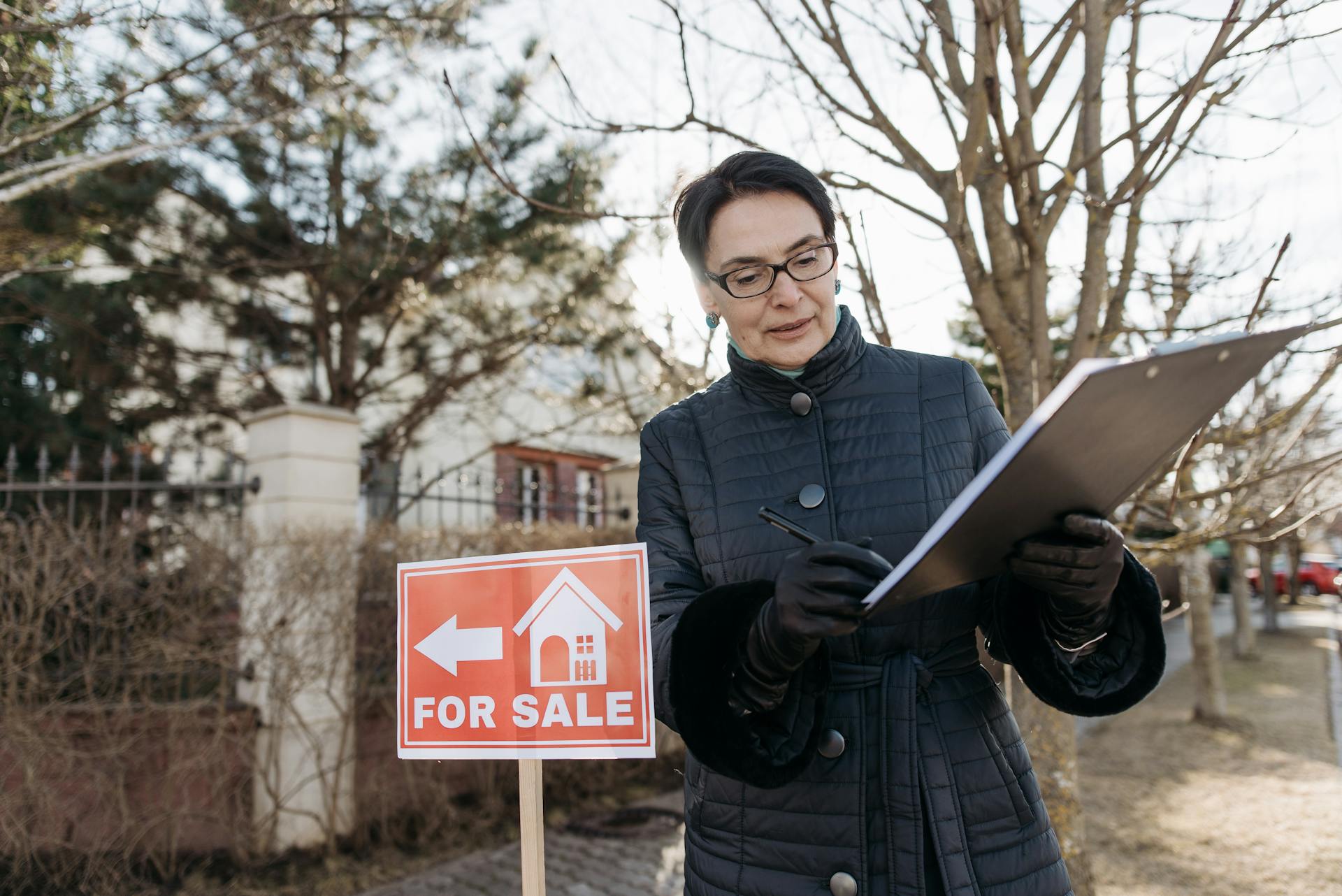
The inspector closes their notebook, looks up from the clipboard, and says the words that stop your heart: “We’ve got some issues up here.” Whether you’re buying, selling, or just discovered problems during a routine roof inspection, that sinking feeling is universal. The good news? A failed inspection isn’t a catastrophe—it’s information. And information gives you power.
In 2026, homeowners across South Carolina and Georgia are facing stricter insurance requirements and more thorough home inspections than ever before. What used to slide by now gets flagged. But here’s what most people don’t realize: the inspector’s job is to find problems, not solve them. That’s where you come in.
Understanding What “Failed” Really Means
Here’s the first thing to know: not all roof inspection failures are created equal. The difference between “needs immediate attention” and “monitor over time” can save you thousands of dollars—or prevent a $15,000 emergency if you ignore it.
The Three Tiers of Roof Problems
Inspectors typically categorize issues into three levels, though they may not spell it out this clearly. Understanding these tiers helps you know what you’re really dealing with.
Immediate safety hazards include active leaks, structural damage, or conditions that could fail catastrophically. Think sagging roof decks, major storm damage, or penetrations that are allowing water intrusion right now. These need emergency roof repair within days, not weeks.
Significant deficiencies are problems that will worsen rapidly or are already compromising your roof’s integrity. Missing shingles, damaged flashing around chimneys, worn valleys, or improper ventilation fall here. Left unaddressed through the next storm season, these become tier-one emergencies.
Minor issues and maintenance items include things like a few curled shingles, minor granule loss, or cosmetic concerns that don’t threaten immediate function. These matter for insurance renewals and home sales, but you typically have time to plan and budget.
Context Matters More Than You Think
A failed inspection during a home purchase creates different pressures than one for insurance renewal. If you’re the seller, the buyer now has leverage to negotiate price or demand repairs before closing. If you’re the buyer, you’ve just discovered what could be a bargaining chip or a reason to walk away.
Insurance inspections in 2026 have gotten particularly tough. Companies are non-renewing policies over issues that would have been overlooked five years ago. If your roof is flagged during an insurance review, you typically have 30-60 days to make repairs before they drop your coverage.
Your First 48 Hours: What to Do Immediately
The period right after getting bad news about your roof is crucial. The steps you take now determine whether you handle this efficiently or watch it spiral into a expensive nightmare.
Get the Full Report in Writing
If you haven’t already, request the complete inspection report with photos. Don’t rely on verbal summaries. You need documentation showing exactly what was found, where it’s located, and ideally, the inspector’s assessment of severity.
Most modern roof inspections use drone technology that provides detailed imagery of problem areas. These photos become invaluable when getting repair estimates and can help you spot contractors who are padding their quotes with unnecessary work.
Don’t Panic Into Bad Decisions
The roofing industry has its share of companies that see a failed inspection as an opportunity to scare you into a full replacement when roof repair would suffice. This is especially common in areas like Aiken, Augusta, and Charleston where storm seasons create urgency.
Before calling anyone, take a breath. Unless you have active leaks causing interior damage, you almost always have at least a few days to make informed decisions rather than reactive ones.
Prioritizing Repairs: What Needs Fixing First
With report in hand, your next job is triage. Here’s how to think about what needs to happen when, especially if budget constraints mean you can’t address everything at once.
Stop Water Intrusion First
Any issue actively allowing water into your home jumps to the front of the line. Water damage multiplies exponentially—what starts as a $500 roof leak repair near me search can become $5,000 in rot, mold remediation, and ceiling replacement within months.
Common culprits include damaged flashing (especially around chimneys and skylights), missing or severely damaged shingles, and failed valley seals. For homeowners in Columbia and Summerville, the heavy rain seasons make these repairs particularly urgent.
Address Structural Concerns Second
Problems with your roof deck, trusses, or structural supports come next. These rarely fix themselves and typically worsen with every weather event. Sagging, soft spots, or visible deflection in roof lines all indicate structural issues that need professional attention.
When you’re dealing with both residential roof repair and structural concerns, it’s worth getting a comprehensive assessment from experienced contractors who can address everything in the right sequence.
Then Everything Else
Once water intrusion is stopped and structural integrity is secured, you can breathe a bit. Cosmetic issues, minor wear, and maintenance items can typically wait for appropriate weather windows or budget availability—though don’t wait so long that they migrate into the first two categories.
Getting Accurate Estimates Without Getting Burned
This is where homeowners often lose thousands of dollars through inexperience. Getting quotes for roof repair for homes requires more strategy than just calling three companies and picking the middle price.
What a Real Estimate Should Include
A legitimate estimate breaks down materials, labor, and timeline specifically. It identifies the scope of work clearly and explains what’s included versus excluded. Vague quotes like “$8,500 for roof repairs” without itemization should raise red flags.
At Hixons Roofing, we provide detailed estimates that reference the specific inspection findings and explain our recommended approach. This transparency helps you understand exactly what you’re paying for and makes it easier to compare apples-to-apples with other contractors.
The Questions That Separate Pros From Hustlers
Ask contractors: “Based on the inspection report, what would you fix first and why?” Their answer tells you whether they’ve actually reviewed the findings or are just pitching their standard package.
Also ask about timelines for different repair priorities. A contractor who says everything is equally urgent probably isn’t being straight with you. Someone who explains “we need to address the flashing failure within two weeks, but the cosmetic shingle replacements could wait until spring” is giving you honest guidance.
For metal roofing repairs, specialized expertise matters even more. You want contractors experienced with metal-specific techniques rather than generalists improvising solutions.
The Insurance Estimate Dance
If insurance is covering the damage, you’ll likely need their adjuster’s approval before work begins. Some contractors are skilled at working with insurance companies to get appropriate coverage. Others create friction that delays your claim.
Ask potential contractors about their experience with insurance work and whether they’ll attend the adjuster’s inspection. This coordination can mean the difference between getting your claim approved or fighting for months over coverage disputes.
Navigating Real Estate Contingencies
Failed roof inspections during home sales create unique pressures that have nothing to do with the actual repair costs and everything to do with timing, leverage, and financing requirements.
If You’re the Seller
You have several options when a buyer’s inspection flags your roof. You can make the repairs yourself before closing, offer a credit so the buyer handles it after purchase, reduce the sale price to compensate, or refuse and risk losing the sale.
Making repairs yourself gives you control over contractor selection and costs. Offering a credit is faster but typically costs you more—buyers often inflate repair estimates and demand credits based on worst-case scenarios.
Whatever you choose, get your own estimates from reputable contractors. Don’t just accept the buyer’s quote at face value. The difference between a fair assessment and an inflated one can easily be $5,000-$10,000 on a typical residential roof repair project.
If You’re the Buyer
A failed roof inspection gives you negotiating power, but use it strategically. Demanding perfection on a 15-year-old roof is unrealistic. Asking the seller to address legitimate deficiencies or provide fair compensation is reasonable.
Consider whether you’d rather have repairs done to your standards after purchase or trust whatever contractor the seller picks to meet a quick closing deadline. Sometimes taking a credit and choosing your own contractor, like experienced professionals serving Augusta and the CSRA, gives you better long-term results.
The Lender’s Perspective
Don’t forget your mortgage company has opinions too. Lenders may refuse to close on homes with significant roof damage or require money to be held in escrow until repairs are completed. Understanding these requirements upfront prevents last-minute closing delays.
The Repair-Versus-Replace Decision
Here’s the question that keeps homeowners up at night after a failed inspection: should you patch what’s broken or replace the whole roof? The answer depends on factors most people don’t consider until too late.
When Repairs Make Sense
If your roof is less than halfway through its expected lifespan and the problems are localized, repairs almost always make financial sense. A 7-year-old asphalt shingle roof with storm damage to one section doesn’t need full replacement—it needs targeted repair.
The math gets trickier as roofs age. When repair costs exceed 30-40% of replacement cost, or when you’re looking at multiple unrelated problems across the roof, replacement deserves serious consideration.
The Hidden Cost of Band-Aids
Sometimes repeated repairs cost more over time than replacement would have. If you’re fixing different sections every 18 months, you’re spending replacement money in $2,000 increments while still ending up with an aging roof.
This is particularly relevant for commercial properties where roof integrity affects business operations, but the principle applies to homes too. There’s a point where you’re throwing good money after bad.
Age, Condition, and Future Plans
If you’re selling within two years, repairs usually make more sense than replacement. If you’re planning to stay 10+ years, replacement might provide better long-term value and peace of mind.
Your roof’s age relative to the rest of your home matters too. Putting a new roof on a house that needs siding, windows, and HVAC replacement in the next few years creates timing complications for those future projects.
Moving Forward With Confidence
A failed roof inspection feels like bad news in the moment. But it’s actually an opportunity to address problems before they become emergencies, negotiate better terms on a real estate transaction, or prevent insurance cancellation.
The homeowners who handle this well are the ones who don’t panic, get multiple expert opinions, understand their priorities, and make informed decisions based on their specific situation rather than fear.
Whether you’re dealing with roof maintenance for homeowners after a routine check, scrambling to meet an insurance deadline, or navigating contingencies on a home sale, the principles stay the same: gather information, prioritize properly, choose qualified contractors, and address problems systematically.
If you’re in Aiken, Augusta, Charleston, Mount Pleasant, Columbia, Summerville, North Charleston, Beech Island, or anywhere across South Carolina and Georgia, Hixons Roofing can help you turn inspection findings into an action plan. We’ve guided hundreds of homeowners through this exact situation in 2026, and we know how to get you from “what now?” to “problem solved” as efficiently as possible.
Don’t let a failed roof inspection keep you up at night. Contact Hixons Roofing for a transparent assessment and a realistic plan forward. Sometimes the best next step is just knowing exactly where you stand.