
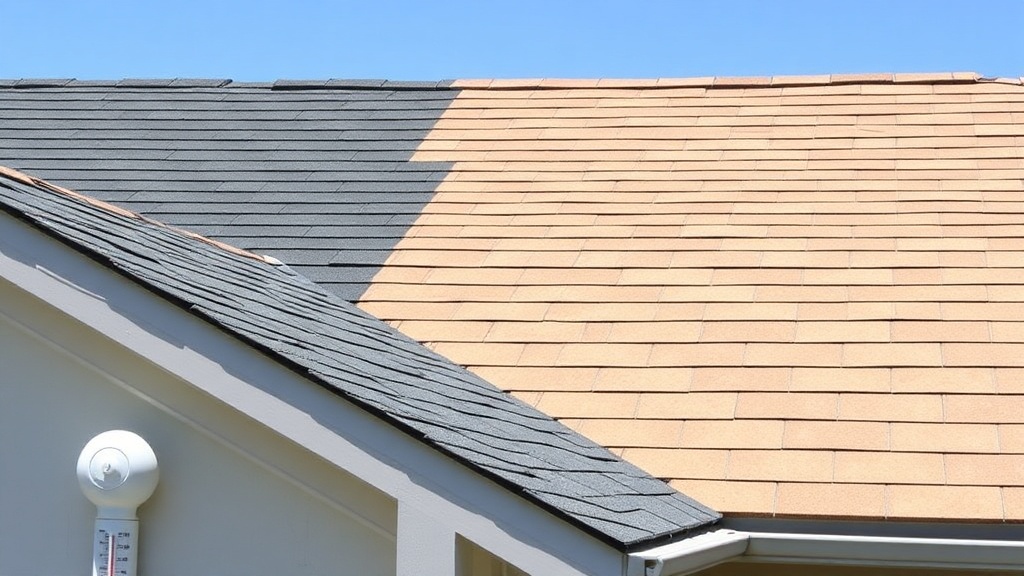
Your Roof Is Either Fighting the Heat or Feeding It
On a 95-degree July afternoon in Aiken, a dark charcoal shingle roof can reach surface temperatures of 150°F or higher. That heat doesn’t stay on the surface — it radiates down into your attic, pushing your AC system into overdrive and adding real dollars to your monthly bill.
Roof color is one of the most overlooked factors in residential energy performance. Homeowners spend thousands on insulation upgrades and new HVAC equipment while leaving a 2,000-square-foot heat collector sitting right over their heads. The color of your shingles matters more than most people ever consider when picking from a sample board at the supply house.
South Carolina’s climate makes this conversation especially important. The Lowcountry and Midlands don’t get a break — cooling season here runs from April through October, and your roof is under solar bombardment for most of it.
The Science Behind Shingle Color and Attic Temperature
Why Dark Roofs Heat Up So Fast
Dark colors absorb more solar radiation. That’s basic physics, but the scale of it surprises most people once they see the numbers. A standard dark asphalt shingle (think charcoal gray or weathered wood brown) can absorb 70–90% of incoming solar energy. That absorption converts directly to heat, and on a poorly ventilated attic, the temperature difference between a dark roof and a light one can be 20–30°F or more.
The DOE has studied cool roofing extensively and consistently finds that roofs with higher solar reflectance reduce cooling loads — particularly in climates with long, hot summers like South Carolina. When your attic sits at 140°F instead of 110°F, your HVAC system has to work against a much steeper gradient to keep your living space comfortable.
What That Actually Does to Your Energy Bill
Translating attic temperature into dollars is where it gets concrete. Based on our field experience replacing roofs across Columbia, Augusta, and the surrounding region, homeowners who switch from a dark shingle to a lighter or medium-tone cool-rated shingle frequently report a noticeable drop in summer utility costs — often in the $60–$120/month range during peak cooling months.
That’s not a guarantee — it depends on attic insulation depth, ventilation quality, and your existing HVAC efficiency. But it’s a real and measurable effect, and over a 20-year roof lifespan it adds up to thousands of dollars in either direction.
Light vs. Dark: The Real Trade-Offs in the South Carolina Sun
The Case for Lighter Shingles
Light-colored shingles — think weathered wood beige, light gray, or off-white — reflect more solar energy than they absorb. This is exactly why lighter colors dominate in Florida and coastal Georgia, where cooling costs are a year-round concern. The best roof color for a hot climate tends to sit in the light-to-medium range for this reason.
Beyond energy performance, lighter shingles show less visible algae and moss staining over time in humid climates. That matters in Charleston and Summerville, where the combination of heat and coastal moisture creates ideal conditions for roof algae. A white or tan shingle may stay cleaner-looking longer without chemical treatment.
The Case for Darker Shingles
Dark roofs aren’t just an aesthetic choice — they do offer real advantages in certain situations. If your home has excellent attic insulation (R-38 or better) and proper ridge/soffit ventilation, the energy penalty of a dark shingle shrinks considerably. The heat load still exists, but your building envelope handles it without the AC suffering.
Dark shingles also shed snow faster in climates that need it, though that’s less relevant here. More practically, they hide dirt and debris better than light roofs do, which reduces visible soiling between cleanings. And for certain architectural styles — craftsman bungalows, brick colonials — a dark charcoal or slate-toned roof simply looks right.
The Middle Ground: Cool-Rated Shingles
The industry has largely solved the light-vs-dark debate with cool-rated shingles. These use reflective granules embedded in the surface — the same dark brown or charcoal color you want aesthetically, but with significantly higher solar reflectance than a standard shingle. EPA’s ENERGY STAR program certifies these products, and major shingle manufacturers offer them across their full color lines.
Shingle color energy efficiency no longer requires you to compromise on curb appeal. A cool-rated charcoal shingle can reflect meaningfully more heat than a standard one of the same color, often narrowing the performance gap between dark and light by a substantial margin. This is the option Hixons Roofing recommends most often to homeowners who want the traditional dark roof look without the full energy penalty.
How Roof Color Affects Curb Appeal — and Your Home’s Value
Color choice doesn’t just affect your energy costs. It affects how your home photographs, how it sells, and how the neighborhood reads it from the street. These factors are worth thinking through carefully before you commit to 20–30 years of the same shingle.
Gray and charcoal shingles pair cleanly with virtually any exterior — white siding, brick, cedar, stucco. They’re the safest choice for resale because they offend no one and complement almost everything. Tan and brown shingles work well with earth-toned homes, particularly brick ranches common in the Columbia and Aiken markets.
One thing contractors don’t always tell you: the shingle color on the sample board looks different from 50 feet away and in full sunlight. Always ask to see the color on an installed roof — either in person or in a manufacturer’s project gallery — before finalizing your selection. A medium gray that looks subtle in-hand can look almost black on a full roof in direct sun.
What a New Roof Actually Costs in This Market
Color choice sits inside a larger decision: whether and when to replace. A new residential roof in the South Carolina and Augusta market typically runs $8,000–$16,000 for asphalt shingles on a standard-size home, depending on roof complexity, square footage, and the shingle product tier you select.
Cool-rated ENERGY STAR shingles generally cost $50–$150 more per square (10×10 ft) than standard options in the same product line — a modest premium on a full replacement project. Given the potential energy savings over the roof’s lifespan, that premium pays for itself quickly in a market where air conditioning runs six or seven months a year.
Roof repair for homes with isolated damage is a different conversation — a typical repair for storm damage or a failed flashing runs $400–$1,200 depending on scope. But if your roof is 15+ years old and you’re repairing it repeatedly, the math usually favors replacement, not continued patchwork.
Getting the Decision Right Before You Sign
Ask About Ventilation First
No shingle color — light, dark, or cool-rated — performs well over a poorly ventilated attic. Before you finalize your color choice, make sure your contractor assesses your ventilation system. Inadequate ridge or soffit ventilation traps heat regardless of what’s on the surface, and it also shortens shingle lifespan significantly by cooking the asphalt from below.
Match the Color to the Whole House System
Pull a photo of your home’s exterior and look at it alongside shingle samples. Consider the trim color, the siding material, the foundation color, and any masonry. A mismatch at that scale is hard to live with — and impossible to fix without another full replacement.
- Light-colored homes (white, cream, light gray) pair well with charcoal, slate, or medium brown shingles for contrast.
- Brick homes typically work best with complementary earth tones — warm browns, blended reds, or medium grays that pick up undertones already in the brick.
Think About the Long Haul
Your roof will be on the house for 25–30 years if properly installed. That’s a long time to regret a trendy color choice or to pay an extra $80/month in cooling costs because you picked aesthetics over performance. The best roof color for a hot climate is one that balances reflectance, durability, and how it integrates with your home’s exterior — not just what looked good in the showroom.
Hixons Roofing has served homeowners across South Carolina and Georgia for years, and one of the most common things we hear from homeowners after a replacement is that they wish they’d thought harder about color before the project started. By the time the crew is on the roof, the decision is locked in.
Making a Smart Call Before the Shingles Go Up
Roof color is a 25-year commitment that affects your energy bills, your home’s appearance, and the comfort of everyone inside it every summer. A good installer will walk you through color performance data alongside aesthetics — if yours only shows you a sample board without discussing solar reflectance or ventilation, push harder.
South Carolina summers don’t forgive passive decisions. The right shingle color, paired with proper ventilation and quality installation, can meaningfully reduce your cooling costs and keep your home more comfortable for decades.
Written by the Hixons Roofing team — local roofing specialists with years of hands-on experience replacing and repairing roofs across South Carolina and the Augusta region.
To get an expert assessment of your roof and talk through your color and material options, contact Hixons Roofing at hixonsroofing.com.