
Roof Repair in Aiken, SC
& Augusta (CSRA)
Stop Leaks Fast—Then Fix the Real Cause
A roof problem can look simple from the ground, but water often enters at transitions and travels before it shows up indoors. Our approach starts with a thorough inspection and practical recommendations, so you’re not paying for repeat calls or temporary patches that don’t hold.
Whether you’re dealing with a sudden drip after a storm or a slow issue that keeps returning, we’ll explain what we found, what matters most, and what the next step should be—clearly, and without pressure.
What We Fix and How We Diagnose It
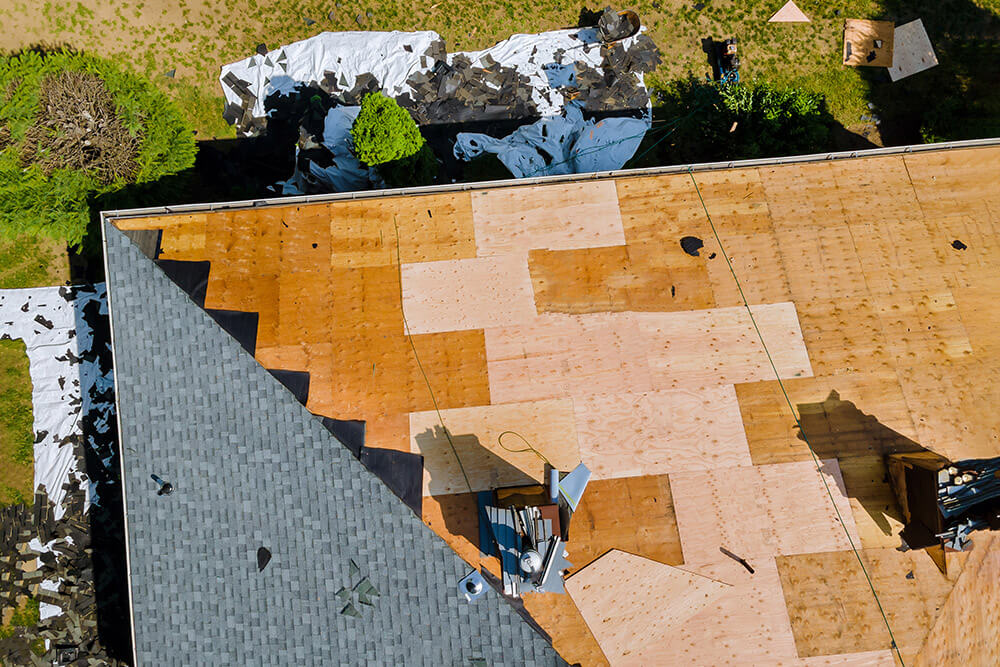
Most roofing problems start at the details—places where materials meet or where the roof has openings. We commonly resolve issues around flashing at walls and chimneys, valleys, pipe boots, vents, skylight areas, and roof edges, especially when wind-driven rain finds a weak point. We also handle missing or lifted shingles, exposed fasteners, debris punctures, moisture-related concerns, and drainage issues that overload gutters and fascia—so the repair actually restores performance and reduces repeat leaks.
A lasting fix begins with a proper inspection, not guesswork. We check critical transitions, seal points, fasteners, and surface condition, then confirm contributing factors like ventilation, trapped moisture, and drainage patterns. From there, we recommend the right approach for your specific system—whether it’s asphalt shingles, metal roofing, or low-slope commercial materials—using methods that protect watertight integrity without creating new weak spots. If the roof is near end-of-life or matching materials is challenging, we’ll explain the smartest path forward with clear options based on condition, history, and long-term value.
Emergency Leak Response and Clear Next Steps
When water is actively entering a home or building, speed matters. We prioritize urgent situations and can apply temporary protection when needed to reduce interior damage, followed by a plan for a permanent correction. If it’s safe, take a quick photo of the interior leak area and note whether it happens only during wind-driven rain or during all rainfall—those details help shorten diagnosis time and pinpoint the true entry point faster.
Not every issue requires a full replacement. If the problem is localized and the overall system is still performing well, a focused repair is often the best value. If wear is widespread or leaks keep returning, we’ll explain when replacement becomes the smarter investment and what factors matter most—ventilation performance, repair history, and the condition of critical transitions and roof edges. For active leaks, contact us now for the fastest available next step.
Roof Repair FAQs
What causes most roof leaks in South Carolina and the CSRA?
Most leaks start at transitions—flashing at walls and chimneys, valleys, pipe boots, vents, and skylight areas—especially during wind-driven rain. We focus on identifying the true entry point and correcting the detail that failed rather than masking symptoms with sealant.
How do you pinpoint the source of a leak if the stain is far from the entry point?
Water can travel along decking and framing before it shows up indoors. We inspect common failure zones first, then trace likely water paths and check underlayment, flashing, penetrations, and edge details to confirm the cause.
Can you repair storm damage from wind or hail, and do you document it?
Yes. We repair missing/lifted shingles, impact damage, and compromised flashing/vents, and we can provide photos and a clear scope of work for storm-related situations. Coverage decisions depend on your policy, but strong documentation helps the process.
Do you repair metal roofs and low-slope commercial roofs?
Yes—metal and membrane systems require different repair methods than shingles. We address fasteners, seams, transitions, and penetrations using approaches that maintain watertight performance and reduce repeat failures.
When does a roof problem stop being a “repair” and become a replacement conversation?
If issues are recurring, widespread, or showing up in multiple areas, replacement may be the better long-term investment. During the inspection, we’ll explain what we found and whether a targeted correction is likely to hold—or if the system is near end-of-life.
Can you repair a roof you didn’t install?
Absolutely. We regularly service builder-installed roofs, older roofs, and systems installed by other contractors. We’ll assess the current condition, explain what’s repairable, and recommend the most practical next step.
What should I do while waiting for emergency leak help?
Place a container under active drips, move valuables away, and take photos of the interior leak area if it’s safe. Avoid getting on the roof—especially when wet—and note whether it leaks only during wind-driven rain or during all rainfall.
Is DIY roof repair ever a good idea?
Very minor issues may look simple, but most leaks involve flashing and transitions where improper repairs fail quickly and can cause more damage. For anything involving leak diagnosis, flashing, steep slopes, metal, or low-slope systems, professional repair is usually the safer and longer-lasting route.
Roof Repair Service Areas
For leak response and roof repairs, we serve Aiken SC & County, Augusta GA & CSRA, CSRA Rural Communities, Columbia SC Metro, and the Lowcountry—including Charleston & Mount Pleasant, Summerville & North Charleston, and Charleston County Rural.