
Three Quotes, Three Wildly Different Numbers
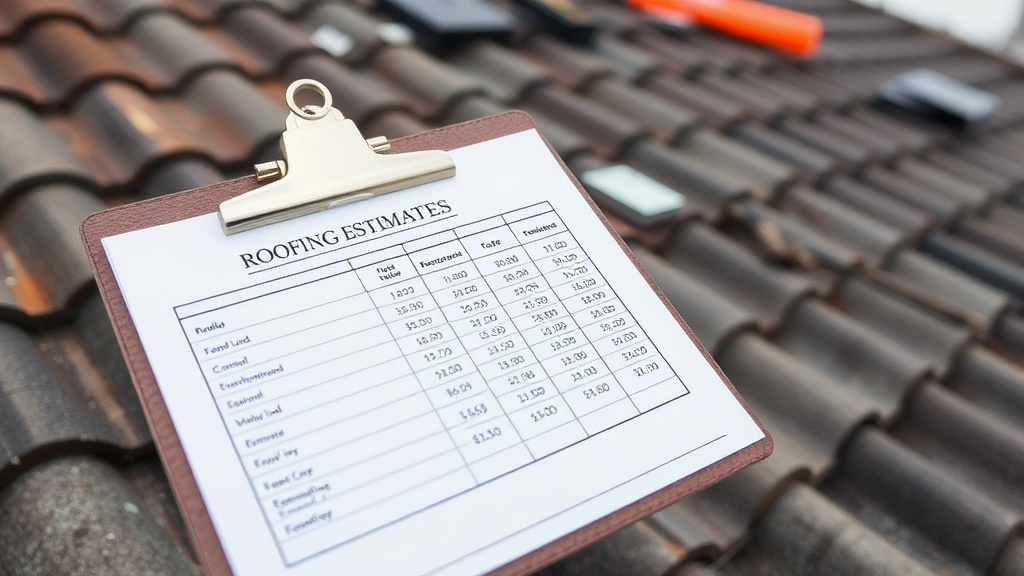
A homeowner in Aiken gets three roofing estimates for what seems like the same job. The quotes come back at $9,200, $13,500, and $17,800. Same house. Same roof. Three completely different numbers.
This isn’t unusual — it happens constantly across the South Carolina and Georgia markets. The problem isn’t that contractors are dishonest (though some are). The problem is that most homeowners don’t have a framework for understanding why quotes differ, which ones are legitimate, and which ones will cost them far more in the long run.
Getting a roofing estimate isn’t just about finding the lowest number. It’s about understanding exactly what you’re buying.
Start Before You Pick Up the Phone
Know What Kind of Work You Actually Need
Before you request a single roofing quote, spend 20 minutes understanding your roof’s condition. Are you dealing with isolated damage — a few missing shingles after a storm, a flashing issue near the chimney — or is this a full roof replacement conversation?
A roof repair for homes typically costs $350–$1,500 depending on scope. A full residential roof replacement on a 2,000-square-foot house in the Aiken or Augusta area generally runs $10,000–$18,000 for architectural shingles, and $20,000–$35,000+ for standing seam metal roofing. Knowing which category you’re in changes what contractors you call and what questions you ask.
If your roof is 20+ years old and you’re calling about a leak, most reputable contractors will tell you honestly that repair isn’t the right move. Be wary of anyone who jumps to a patch job without getting on the roof first.
How Many Estimates Do You Actually Need?
Three is the sweet spot. One estimate gives you no context. Two puts you in a coin-flip. Four or more and you’re deep into diminishing returns — plus you’re wasting contractors’ time, which some will quietly factor into how they treat your job.
Request estimates from contractors who specialize in the type of work you need. If you’re exploring metal roofing, don’t get a quote from a company whose only metal experience is a few agricultural buildings. The specialization gap shows up in both the quality of the work and the accuracy of the estimate.
What a Legitimate Roofing Estimate Must Include
Line-Item Breakdown, Not a Lump Sum
A trustworthy roofing estimate is detailed. It names materials by brand and product line — not just “architectural shingles” but “GAF Timberline HDZ 30-year shingle.” It lists the quantity of materials, the labor breakdown, the cost of removing and disposing of the old roof, and any secondary work like decking repairs or drip edge replacement.
A lump-sum quote — “$11,400 for new roof” — is a red flag. You have no way to know whether they’ve priced in the right underlayment, whether they’re using a starter strip, or whether they’ve accounted for ice-and-water shield in valleys. In South Carolina’s climate, skipping that last item is the kind of shortcut that shows up as a ceiling stain two years later.
Warranty Information in Writing
There are two warranties on every roof replacement: the manufacturer’s material warranty and the contractor’s workmanship warranty. Both need to be spelled out in the estimate or the contract.
Manufacturer warranties on architectural shingles typically run 30–50 years on materials. But here’s what most homeowners miss: many manufacturer warranties are only valid if the roofing contractor is a certified installer. GAF, Owens Corning, and similar manufacturers have installer certification programs, and a non-certified contractor’s work may void the material warranty entirely. Ask every contractor directly: “Are you a certified installer for the shingles you’re quoting?”
Workmanship warranties vary widely — from one year to a lifetime depending on the contractor. In our experience serving homes across South Carolina and Georgia, a contractor offering less than a five-year workmanship warranty on a full roof replacement is telling you something about how confident they are in their own work.
Payment Schedule and Start Date
A written estimate should include the proposed payment schedule and a realistic project timeline. A standard structure for roof replacement is a deposit of 25–33% upfront, with the balance due upon completion and final inspection. Any contractor asking for more than 50% before a single shingle hits the roof is a warning sign — particularly following storms, when out-of-area contractors move through neighborhoods collecting large deposits and disappearing.
Questions That Separate Good Contractors from Risky Ones
Ask About Their Crew — Specifically
Subcontracting is standard in roofing, but there’s a spectrum. Ask the contractor who will actually be on your roof. Are they employees or subs? Does the contractor carry workers’ compensation for everyone on the crew?
This matters more than it sounds. If an uninsured subcontractor is injured on your property, your homeowner’s insurance may be pulled into the claim. Ask for a certificate of insurance and verify it covers both general liability and workers’ compensation. Don’t accept a verbal “yes, we’re insured.”
Ask About Their Permit Process
In South Carolina, a roofing permit is required for full roof replacements in most jurisdictions. Ask whether the contractor pulls the permit, or whether they expect you to handle it. Reputable contractors pull their own permits — it’s part of the job, and it means the work will be inspected.
A contractor who suggests skipping the permit to “save money and time” is saving themselves the scrutiny of an inspection, not saving you anything meaningful.
Ask What Happens If They Find Damaged Decking
Rotted or damaged roof decking is a common discovery once old shingles are removed. Ask each contractor upfront how they handle it. A solid estimate will include language like: “Decking repairs billed at $X per sheet of plywood, only as needed.” This protects you from surprise costs mid-project and tells you the contractor has done enough jobs to anticipate it.
Reading Between the Lines on a Roofing Quote
Why the Lowest Bid Is Often the Most Expensive Roof
A $9,200 bid that skips synthetic underlayment, uses three-tab shingles instead of architectural, and has no decking contingency isn’t cheaper — it’s a different, inferior roof. Five years from now, you’re either re-roofing or in a cycle of roof repair for homes that should have been replaced correctly the first time.
Compare quotes by material spec first, then by price. If one contractor is quoting 30-year architectural shingles with synthetic felt and full ice-and-water shield in vulnerable areas, and another is quoting 25-year three-tab over 15-lb felt, those aren’t the same estimate at different prices — they’re two different roofs.
The Storm Chaser Problem
After every major storm event in the Southeast, contractors from out of state flood local neighborhoods with door-to-door roof replacement pitches. Some are legitimate. Many are not. They’re hard to identify because they often use professional-looking materials and polished sales scripts.
Check the physical address on their license. A South Carolina Residential Builder’s License is issued by the SC LLR (Department of Labor, Licensing and Regulation) and is searchable online. Verify it before any money changes hands. A contractor licensed in another state and doing roof replacement in South Carolina without a local license is operating illegally — and has no accountability to you if something goes wrong after they leave town.
What Should Be Signed Before Work Starts
A verbal agreement isn’t a contract. Before any crew sets foot on your property, you need a signed contract that covers: scope of work, materials by brand and spec, total price, payment schedule, project start and estimated completion dates, permit responsibility, and warranty terms for both materials and labor.
If a contractor resists putting something in writing, that’s the answer. Legitimate contractors — the ones who plan to finish the job and stand behind it — don’t have a problem with specifics on paper.
Getting multiple roofing estimates is one of the highest-leverage things you can do before a major home investment. The homeowner who spends a week gathering and comparing detailed quotes typically ends up with a better roof, a clearer contract, and fewer unpleasant surprises than the one who signs on the first contractor who showed up with a handshake and a round number.
Written by the Hixons Roofing team — roofing specialists serving homeowners across South Carolina and Georgia, with deep experience in residential roof replacement, metal roofing, and storm damage repair.
For an honest, detailed roofing estimate on your home, contact Hixons Roofing at hixonsroofing.com.