
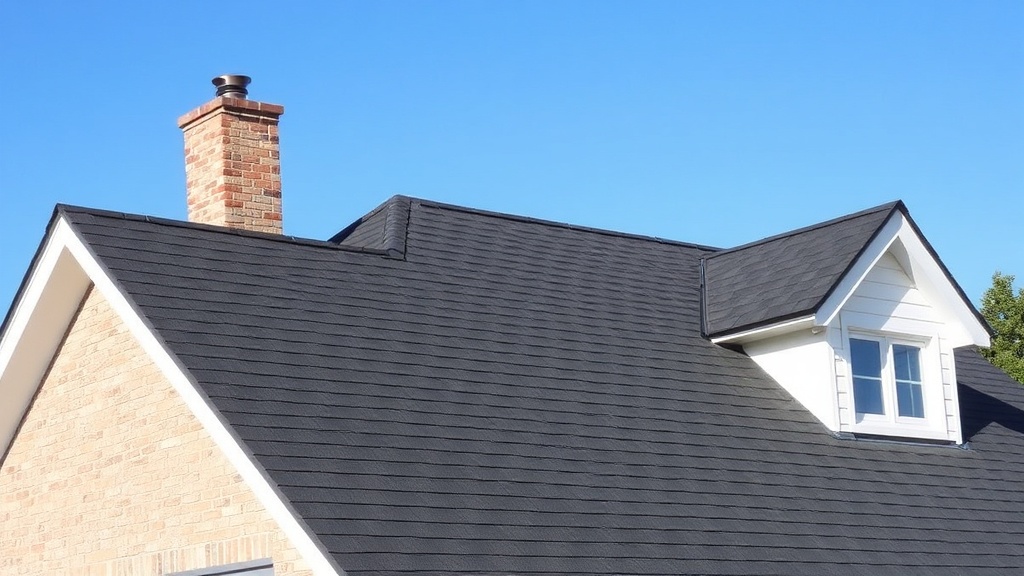
Why Your Roof Ages Faster on the Coast Than Anywhere Else
A standard asphalt shingle roof installed inland might last 25 to 30 years without major intervention. The same product installed two miles from the Charleston waterfront? Expect 15 to 18 years — sometimes less. The coastal environment doesn’t just wear roofs down; it attacks them on multiple fronts simultaneously.
Salt air is the most misunderstood culprit. Sodium chloride particles carried on ocean breezes don’t just settle on your siding — they embed in roofing materials, accelerate oxidation on metal fasteners, and break down the adhesive strips that hold shingle tabs sealed. A roof that looks fine from the street may already have compromised seals and corroding nail heads underneath.
Add in Charleston’s average annual humidity (which routinely exceeds 70%), standing moisture from afternoon thunderstorms, and the threat of Category 1 and 2 landfalls, and you’ve got an environment that punishes any residential roofing contractor who treats a Lowcountry install the same as one in Columbia or Aiken.
The Three Forces That Break Coastal Roofs Prematurely
Salt Air Corrosion
Galvanized roofing nails — standard in most shingle installations — begin showing surface rust within two to three years of salt air exposure. Once the galvanization fails, the nail shank corrodes, loses holding strength, and the shingle above it becomes a wind uplift risk even in a modest storm. Stainless steel or hot-dipped galvanized ring-shank nails cost more upfront, but they’re a non-negotiable upgrade for any home within five miles of tidal water.
The same corrosion issue affects flashing. Standard galvanized step flashing around chimneys, skylights, and dormers is often the first place a roof fails in coastal homes — not because the shingles wore out, but because the flashing rusted through at the edges. On Mount Pleasant homes we’ve inspected, flashing failures account for a significant share of roof leak repair calls, and most homeowners are surprised it had nothing to do with the shingles themselves.
Wind Uplift and Hurricane Loading
South Carolina follows the International Building Code with state amendments, and homes in Charleston County fall within a high-wind zone requiring roofing systems rated for 130 mph or higher. That’s not a technicality — it directly determines which products can legally be installed and how they must be fastened.
A standard 4-nail shingle application, common in low-wind interior markets, doesn’t meet code here. Coastal installations require 6-nail fastening patterns on architectural shingles, and for homes in SFHA flood zones or barrier island locations, enhanced starter strips and sealed roof decks are often required. Residential roofing contractors who regularly work inland sometimes miss these requirements, which creates a liability problem for the homeowner when they file a claim after a storm.
Moisture Cycling and Thermal Stress
Charleston’s heat and humidity create a thermal cycling problem that few homeowners think about. A dark-colored roof surface in July can reach 160°F or higher, then drop 60 degrees overnight. That daily expansion and contraction stresses every seam, fastener, and adhesive bond in the system. Over five to seven years, it’s one of the primary reasons roofs in the Lowcountry develop micro-cracking and granule loss well ahead of schedule.
Proper attic ventilation is the counterbalance — a well-ventilated attic keeps deck temperatures lower and slows that thermal stress cycle significantly. Many older homes in Charleston’s historic neighborhoods have severely under-ventilated attic spaces, which is why the roofs on those homes sometimes fail in 12 years even with quality materials installed.
Which Roofing Materials Actually Perform Here
Standing Seam Metal Roofing
Standing seam metal is the highest-performing option for coastal South Carolina homes, full stop. A properly installed Kynar-coated steel or aluminum standing seam system can realistically last 50 years in this environment — three times the lifespan of a standard shingle roof. The concealed fastener design eliminates exposed nail heads, removing the primary corrosion entry point that undermines conventional shingles.
Aluminum standing seam is the preferred metal for homes within a half-mile of saltwater. Steel, even when coated, shows edge corrosion faster in true maritime conditions. The cost premium is real — a standing seam metal roof on a typical Charleston home runs roughly $18,000 to $30,000 depending on pitch, complexity, and profile — but the 50-year performance window and the insurance discounts available in wind-rated metal systems often shift the math in its favor over two replacement cycles of asphalt.
Architectural Shingles with Coastal-Rated Specs
Not all architectural shingles are created equal, and this is where many homeowners get misled. A shingle rated for 130 mph wind resistance in a manufacturer’s spec sheet earned that rating in controlled test conditions. Real-world coastal performance depends heavily on which specific product line you choose, how it’s installed, and whether the decking underneath is in good condition.
For budget-conscious homeowners who need a full replacement and aren’t ready for metal, Class 4 impact-rated architectural shingles from manufacturers with documented coastal warranties are the right call. These shingles use a modified asphalt compound with enhanced flexibility and typically carry a 30-year limited warranty with wind endorsements up to 130 mph. Installed correctly with a 6-nail pattern, ice-and-water shield at all penetrations, and proper starter strips, they’re a legitimate 20 to 25-year solution in the Lowcountry environment.
Synthetic Slate and Composite Options
Several Sea Islands and historic Charleston neighborhoods have HOA restrictions or local preservation guidelines that prohibit metal roofing on streetside elevations — a detail that catches homeowners off guard mid-project. Synthetic slate products manufactured from polymer composites offer a middle path: they carry Class A fire ratings, Class 4 impact resistance, and wind ratings comparable to quality architectural shingles, all in a profile that satisfies most aesthetic requirements.
The installed cost typically runs $14,000 to $22,000 on a standard residential footprint — more than asphalt, less than standing seam metal. Their real advantage in coastal conditions is zero metal content, which eliminates corrosion as a failure mode entirely. For historic district homeowners in Charleston who need something that reads as traditional but performs as modern, they’re worth serious consideration.
HOA Rules and Local Code: The Hidden Variable
Charleston’s historic neighborhoods, the barrier island communities, and many of Mount Pleasant’s planned subdivisions have roofing restrictions that aren’t visible until you submit your material selection for approval. Some HOAs specify acceptable color ranges. Others prohibit reflective metal surfaces. Sullivan’s Island and Isle of Palms have municipal guidelines that interact with HOA rules in ways that can delay a project by weeks if you don’t navigate them in advance.
The permit process in Charleston County also requires documentation of wind rating compliance before a re-roofing permit is issued. That means your contractor needs to supply product data sheets, installation specifications, and in some cases a signed installation affidavit at the time of permit application. Roofing contractors who pull permits here regularly know this workflow. Those who don’t will cost you time and potentially money if a permit gets flagged for incomplete documentation.
Hixons Roofing has worked across Charleston County and understands the local permit and HOA approval process — which matters more than most homeowners realize when scheduling a replacement around a tight weather window.
The Inspection Trap: What Salt Air Hides from the Untrained Eye
A visual inspection from the ground tells you almost nothing about a coastal roof’s actual condition. Salt air damage tends to work from the fastener outward — the shingle surface looks intact while the nail below is compromised and the mat underneath has absorbed moisture through micro-cracks in the granule layer.
Any roofing company worth hiring on the coast should be walking your roof and checking three things that a basic visual assessment misses: fastener corrosion at exposed nail heads near ridge caps and starter courses, adhesive strip integrity on the downwind-facing slopes, and flashing condition at every penetration. A reputable roofer near me search will turn up contractors, but not all of them have specific experience with salt air degradation patterns — ask directly about their coastal install volume before you commit.
One practical test: if your roof is more than 12 years old and hasn’t been inspected since installation, schedule one now. In our experience working across the Lowcountry, homeowners regularly discover they have two to three years of service life remaining when they believed they had seven or eight. The earlier you catch that gap, the more options you have for timing a replacement on your terms rather than after an emergency leak.
Making the Right Call for Your Specific Home
The material decision comes down to four factors: your home’s proximity to salt water, your HOA’s restrictions, your budget, and how long you plan to stay in the house. A homeowner planning a 10-year horizon who’s a mile from tidal water gets very different advice than someone building a forever home on Sullivan’s Island.
For homes within a quarter-mile of tidal water, aluminum standing seam is the right answer if budget allows. For homes further inland in the broader Charleston market, Class 4 architectural shingles installed to coastal code standards represent strong value. And for any home in a neighborhood with strict aesthetic controls, synthetic composite deserves a serious look before defaulting to asphalt.
Residential roofing in a coastal environment is genuinely different work than what gets done two hours inland — different materials, different fastening requirements, different failure modes to anticipate. A residential roofing contractor who doesn’t account for those differences isn’t cutting corners on purpose; they may simply not have the coastal-specific experience to know what questions to ask.
Choose your contractor accordingly. The right choice on materials is only as good as the installer who puts it on your roof.
Written by the Hixons Roofing team — local roofing specialists serving Charleston and the surrounding Lowcountry with deep experience in coastal residential roofing installations and storm damage repair.
Schedule a coastal roof inspection or request a replacement quote at hixonsroofing.com.