
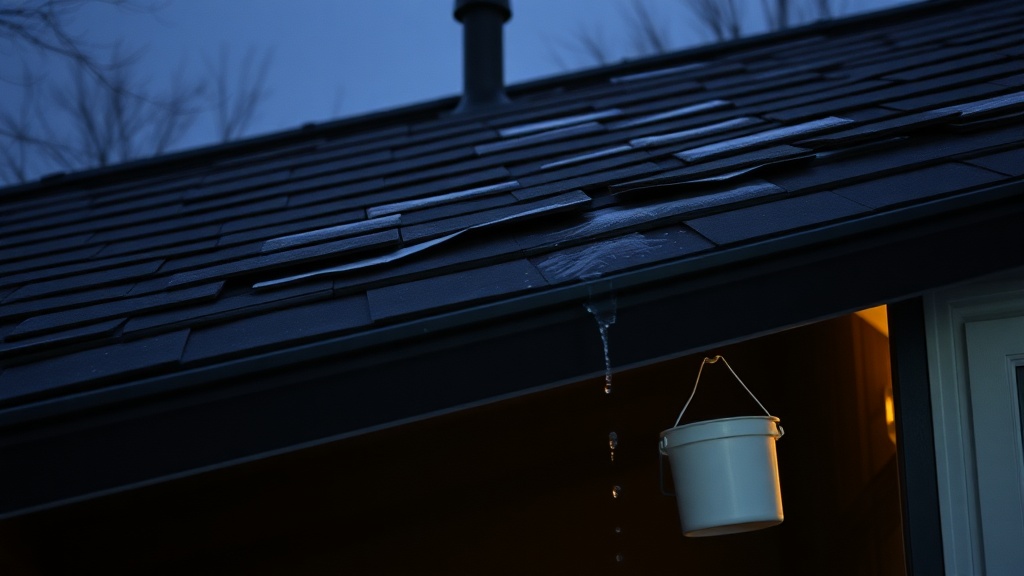
Roof Damage Doesn’t Clock Out at 5 PM
A Category 1 wind event can strip a roof clean in under 90 seconds. The storm rolls through at 11 PM, your ceiling starts dripping by midnight, and you’re standing in your kitchen wondering whether to call someone now or wait until morning. The answer almost always matters more than people realize.
Water doesn’t wait. A roof breach that looks like a minor drip at midnight can soak through roof decking, insulation, and drywall within three to four hours — turning a $400 repair into a $4,000 remediation job. Understanding how emergency roof repair actually works, and what to do before a roofer arrives, can be the difference between a fast fix and a months-long insurance headache.
The First 60 Minutes After Roof Damage — Do This
Before you call anyone, you need to do two things: document and contain. These steps protect your insurance claim and slow the damage while you wait for help.
Start with your phone. Walk through every affected room and take timestamped photos and video of the damage — wet ceilings, standing water, visible sky through the roof structure, anything. Insurance adjusters heavily weigh photographic evidence, and photos taken before any cleanup tend to carry the most weight.
Then contain the water. Place buckets under active drips and lay towels or plastic sheeting over floors and furniture. If you can safely access your attic, check whether water is pooling on top of your insulation — that moisture will wick through to your ceiling if it hasn’t already. Pushing a bucket up into the attic to catch water at the source often slows ceiling damage significantly.
Do not get on your roof at night, during rain, or after a storm. Wet roofing surfaces are genuinely dangerous. A tarp or temporary repair can wait 30 minutes for a professional with the right equipment — it cannot wait if you’re injured.
What a 24 Hour Roofer Actually Does (And What They Don’t)
Emergency roofing services exist on a spectrum, and knowing what you’re getting saves a lot of frustration. Most reputable roofing repair companies that offer after-hours response are focused on emergency stabilization — not a full repair — during that first visit.
A legitimate after-hours roof service will typically deploy a tarp or temporary membrane system over the damaged area, secure any lifted or missing shingles that pose immediate risk, and assess the full scope of damage in daylight. That temporary fix is designed to hold for days to weeks, buying time for a proper repair to be scheduled and scoped correctly.
Full structural repairs — replacing decking, re-flashing penetrations, installing new shingles — almost always happen the following business day or within a few days, depending on material availability and crew scheduling. Anyone promising a full finished repair at 2 AM is either not telling the full truth or cutting corners on the work.
When you call, ask specifically: Do you charge a separate emergency dispatch fee? What’s included in the after-hours visit — tarp only, or temporary shingle repair? And get a written receipt of everything they do that night, because your insurance company will ask for it.
Storm Damage Roof Emergencies: What Makes the Carolinas Different
Southeastern roofs take punishment that most roofing guides don’t account for. Across the Aiken and Augusta corridor, storms frequently combine high winds, driving rain, and hail in the same event — a combination that creates multiple simultaneous failure points rather than a single breach.
Wind lifts shingles at the ridge and rakes first. Rain enters the exposed decking. Hail punctures any shingles that weren’t lifted. By the time the storm passes, you may have three separate leak sources that look like one problem from inside the house. That’s not an argument for panic — it’s an argument for a thorough inspection rather than a quick patch.
Hixons Roofing has served South Carolina and Georgia homeowners for years, and the after-storm pattern we see repeatedly is this: homeowners find the obvious leak and assume that’s the only damage. They get a patch on that spot, it rains again two weeks later, and a second undiscovered breach opens. A post-storm inspection that checks the full roof surface — not just the visible damage — consistently catches two to three additional problem areas that weren’t noticed in the initial emergency.
In a storm damage roof emergency, the temporary repair and the full inspection are both essential. One stops the bleeding; the other tells you what you’re actually dealing with.
After Hours Roof Leak Calls: Red Flags to Watch For
Emergency roofing is one of the few home services where storm chasers — contractors who follow severe weather events to solicit work — are a documented problem across the Southeast. After a major weather event, you may receive unsolicited door knocks or calls from contractors you’ve never heard of offering to fix your roof immediately, sometimes for cash on the spot.
Three things to verify before anyone gets on your roof in an emergency situation:
- Ask for their South Carolina or Georgia contractor’s license number and verify it at the state licensing board website — it takes under two minutes.
- Confirm they carry general liability insurance and workers’ compensation; an uninsured roofer injured on your property can expose you to significant liability.
- Get any estimate, scope of work, or authorization to proceed in writing before work starts — verbal agreements in emergency situations are almost impossible to enforce.
A contractor who refuses to provide license documentation or pushes hard for an immediate cash payment before inspection is a contractor to decline, regardless of how urgent the situation feels. Established roofing repair companies operating in your area will have no problem producing credentials on the spot.
How to Minimize Damage While You Wait for Emergency Roof Repair
If you have access to basic supplies and a safe way to access a low-slope section of your roof — meaning you can step onto it from a window or low porch without ladder work in the dark — a temporary tarp placement can meaningfully slow water intrusion. Use a tarp that extends at least two to three feet beyond the damaged area on all sides and weigh or nail the edges down. A tarp that blows off at 3 AM did nothing.
Inside the home, shut off your electrical breakers for any area where water is actively dripping near lights, outlets, or panels. Water and electricity is a combination that causes fires and electrocution, and it’s a step that homeowners consistently skip in the chaos of a roof emergency.
If the roof breach is large — a fallen tree limb punching through, or a significant section of shingles gone — moving valuables and furniture out of the affected rooms isn’t an overreaction. Water doesn’t travel straight down; it follows the slope of your ceiling and can surface eight to ten feet from where it entered the structure.
One more thing that most guides skip entirely: call your insurance company that same night, even at 2 AM. Most major insurers have 24-hour claims lines, and opening a claim immediately establishes the date and time of the damage event. That timestamp matters if there’s ever a question about pre-existing damage versus storm damage.
Getting the Repair Right After the Emergency Passes
The emergency stabilization is step one. The permanent roof repair is where you actually protect the long-term value of your home, and rushing it or under-scoping it is how homeowners end up with repeat problems.
A proper post-emergency repair assessment should include the flashing around every penetration — chimneys, vents, skylights — because these are the points most often compromised in high-wind events even when the shingles themselves look intact. It should check the roof decking underneath any replaced shingles for soft spots, delamination, or mold beginning to develop from the moisture intrusion. And it should evaluate the gutters, which frequently sustain impact damage during hail and debris events that creates separate drainage problems down the road.
Repair costs after storm events vary considerably based on scope. A straightforward shingle repair in the Columbia or Charleston area typically runs $300 to $800. Decking replacement, extensive flashing work, or repairs complicated by multiple breach points can run $1,500 to $4,000 or more. Getting a clear written estimate with line-item scope after the full daylight inspection lets you work with your insurance adjuster from a position of documented fact rather than a verbal summary.
Don’t let time pressure push you into signing off on a scope that feels incomplete. A good emergency roofer will give you a temporary fix that buys you the days you need to get the permanent repair right.
Written by the Hixons Roofing team — experienced residential and commercial roofing specialists serving South Carolina and Georgia with emergency roof repair, full replacements, and storm damage response.
If you’re dealing with active roof damage and need an emergency roofer you can trust, contact Hixons Roofing at hixonsroofing.com to get help fast.